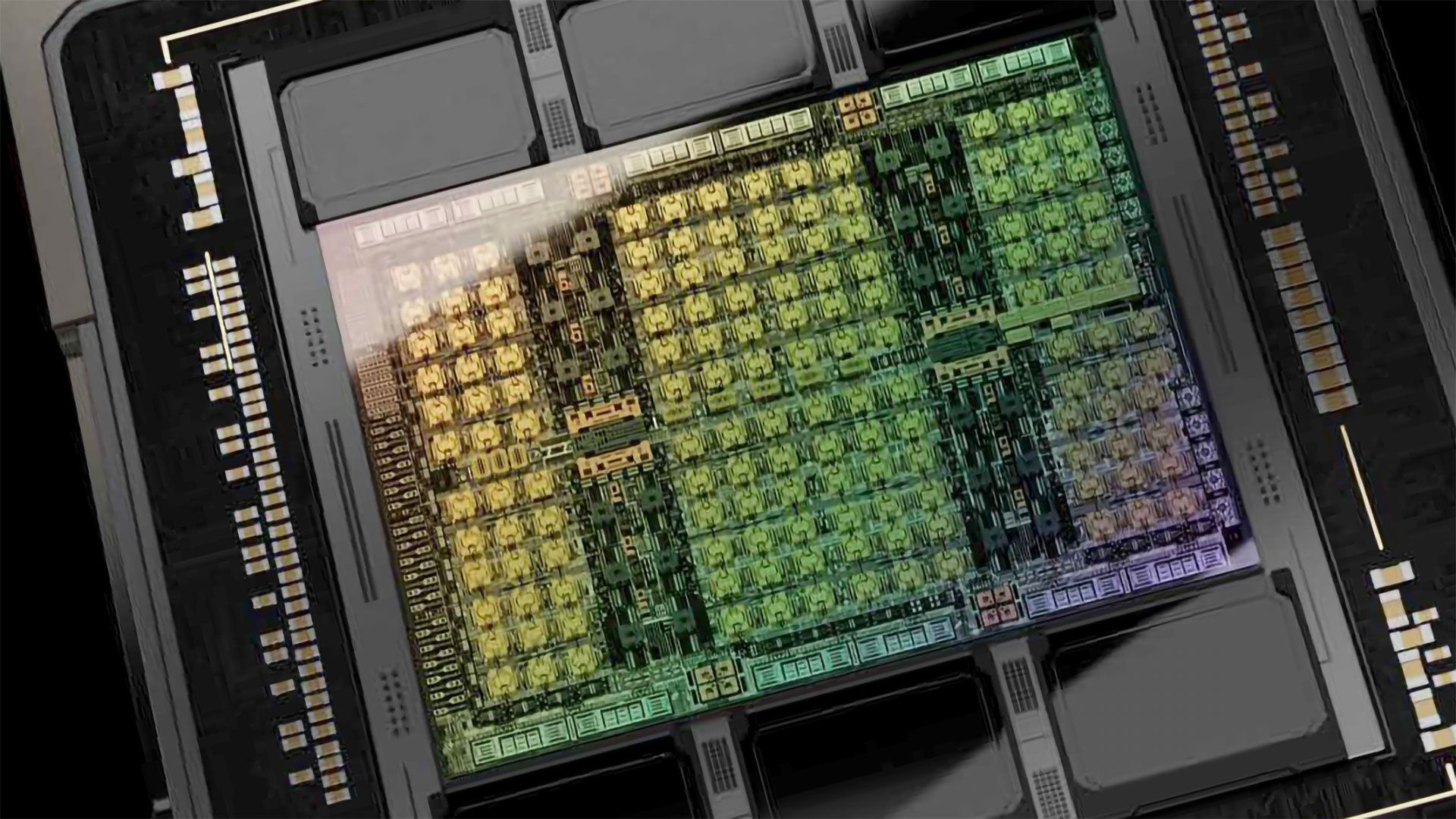
A proposed U.S. bill would expand congressional oversight of high-performance AI processor exports, potentially overriding executive branch approvals for shipments to adversary nations. The proposal also outlines a ‘trusted U.S. person’ framework aimed at allowing overseas deployment while keeping U.S. ownership and control of advanced AI compute.
A profile of OpenAI CEO Sam Altman frames 2026 as a high-stakes year, as OpenAI pursues massive infrastructure buildouts and broader commercialization under increasing competitive and regulatory pressure.
Samsung said it plans to sharply increase the number of smartphones it ships with Google Gemini-backed AI features in 2026. The move highlights how phone makers are turning AI assistants into default capabilities, raising questions about on-device privacy, battery impact and competitive dynamics.
Thomson Reuters says it is convening a new industry group focused on building trustworthy ‘agentic’ AI for high-stakes professional environments. Founding participants include leaders from Anthropic, AWS, Google Cloud and OpenAI, with the alliance aiming to move beyond talk toward shared engineering approaches around reliability, verification and transparency.
A Commerce Department regulation published in mid-January creates a pathway for certain advanced AI chips to be exported to China, codifying a policy shift announced in December. Analysts warn the framework could be difficult to enforce and may undercut the national-security logic behind earlier export controls.
Micron’s planned purchase of Powerchip’s P5 fab site in Taiwan would add a large 300mm cleanroom footprint and support future DRAM ramp-ups. The move illustrates how AI-driven demand for memory is reshaping chipmaking strategies, with established suppliers seeking faster paths to capacity.
Thomson Reuters announced a new Trust in AI Alliance bringing together technical leaders from major AI and cloud firms to define shared principles and methods aimed at making autonomous, agentic AI systems safer, more transparent and verifiable in high-stakes settings.
Major U.S. tech stocks have stumbled early in 2026, with investors pulling back from the ‘Magnificent Seven’ and other large growth names. Analysts point to valuation concerns and a broader shift toward value sectors amid geopolitical stress and market volatility.
Investor attention is shifting toward memory and storage makers as AI data centers strain supply and push up prices, lifting shares across a previously cyclical corner of the semiconductor market.
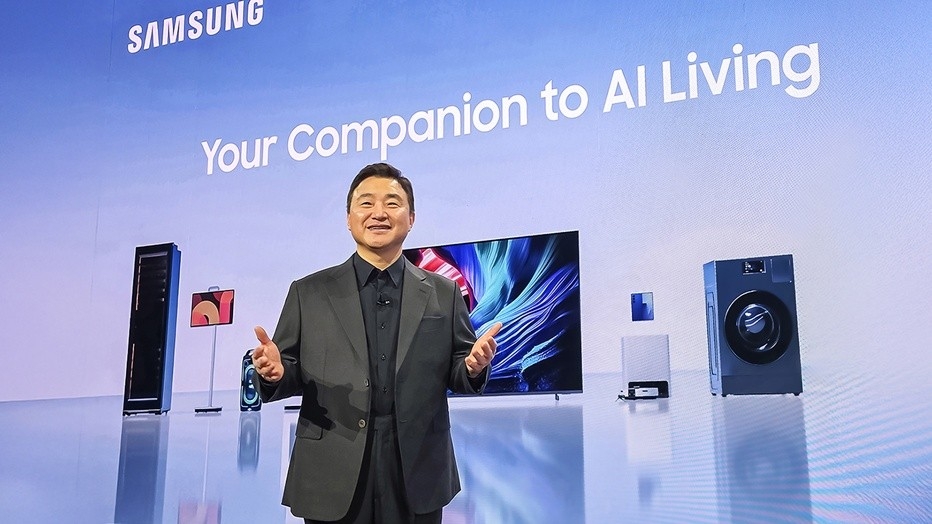
Samsung used its CES 2026 showcase to emphasize an ‘AI Living’ strategy—an ecosystem approach where on-device and connected intelligence is embedded across products. The company framed AI as a unifying layer for experiences spanning mobile, home and other consumer devices.
Lawmakers advanced legislation aimed at strengthening enforcement and oversight of advanced AI chip export controls, reflecting growing concern that existing rules may be difficult to police in a fast-moving global supply chain. The move could reshape planning for chipmakers, cloud providers, and startups selling AI systems internationally.
Under Armour said it is examining claims that attackers accessed customer email addresses and other personal details, while the company reported no evidence that passwords or payment systems were affected.