Samsung’s CES message: AI as the connective tissue
Samsung Electronics used its CES 2026 “First Look” event in Las Vegas to present what it called a “Companion to AI Living” vision, positioning artificial intelligence as a foundational layer across its product development and customer experience. The company described AI-enabled, connected devices as central to building more seamless daily interactions, rather than limiting AI to one category like phones or TVs. ([news.samsung.com](https://news.samsung.com/global/samsung-presents-your-companion-to-ai-living-at-the-first-look-during-ces-2026?utm_source=openai))
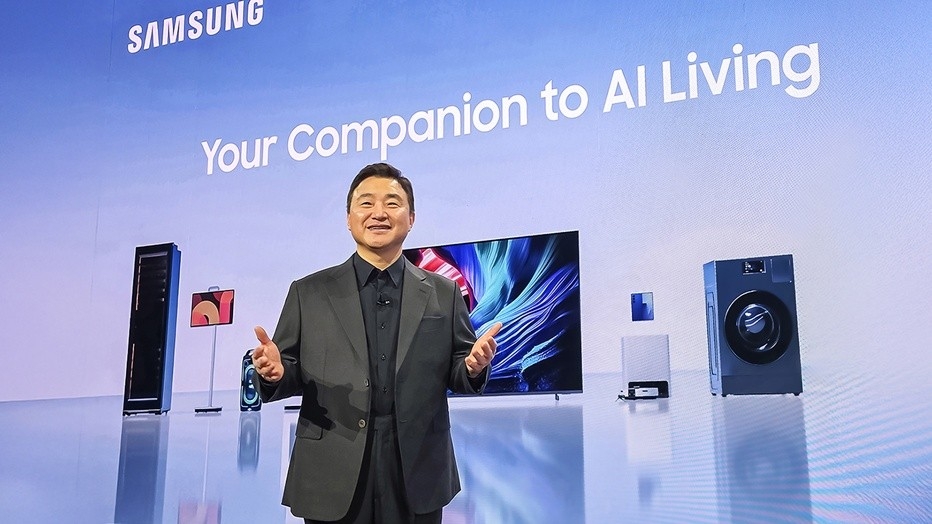
In its announcement, Samsung emphasized the scale of its connected ecosystem and argued that this breadth enables more practical AI experiences—where devices share context, anticipate needs, and reduce friction for routine tasks. The approach reflects an industry-wide shift toward bundling AI features into consumer hardware in ways that are intended to feel ambient and always available. ([news.samsung.com](https://news.samsung.com/global/samsung-presents-your-companion-to-ai-living-at-the-first-look-during-ces-2026?utm_source=openai))
Why ecosystem AI matters now
Ecosystem AI is increasingly a competitive battleground because it can lock in customers through convenience rather than a single standout device. By positioning AI as a cross-device layer, companies can improve personalization and automation while also increasing reliance on shared accounts, cloud services, and device-to-device integration. Samsung’s CES framing focused on daily-life “companion” experiences and extended beyond isolated feature demos. ([news.samsung.com](https://news.samsung.com/global/samsung-presents-your-companion-to-ai-living-at-the-first-look-during-ces-2026?utm_source=openai))
For consumers, the promise is smoother handoffs between devices and more intelligent defaults. The risk, however, is that AI-enabled connectivity expands the number of places where sensitive data might be processed or stored. Samsung’s pitch leaned into user experience and product integration, while the broader industry continues to debate how much computation should happen locally on devices versus remotely in the cloud. ([news.samsung.com](https://news.samsung.com/global/samsung-presents-your-companion-to-ai-living-at-the-first-look-during-ces-2026?utm_source=openai))
What to watch next
After CES, the key questions will be how quickly the showcased capabilities appear in shipping products, how consistent the AI experience feels across different device lines, and whether Samsung can keep performance high without compromising privacy or battery life. As competitors also push “AI everywhere” strategies, execution—reliability, speed, and user control—will likely determine who benefits most from the next upgrade cycle. ([news.samsung.com](https://news.samsung.com/global/samsung-presents-your-companion-to-ai-living-at-the-first-look-during-ces-2026?utm_source=openai))
Samsung’s CES 2026 positioning signals that the next phase of consumer tech competition may be less about one killer app and more about whether an entire ecosystem can behave coherently, securely, and predictably as an AI assistant layer across the home and pocket. ([news.samsung.com](https://news.samsung.com/global/samsung-presents-your-companion-to-ai-living-at-the-first-look-during-ces-2026?utm_source=openai))