A new research report argues that governments and standards bodies are rapidly rolling out AI policies, creating a patchwork of requirements. The authors say both technical and regulatory interoperability will be crucial if companies are to comply at scale without stalling innovation.
USA Rare Earth says it has a non-binding agreement framework for $1.6 billion in proposed CHIPS-linked support, alongside fresh private financing, as it seeks to build U.S. production of critical minerals and magnets used in chips, defense and industrial systems.
Nvidia shares edged higher as markets looked to upcoming earnings from major tech firms for signs of continued AI infrastructure spending, while reports pointed to new China demand and shifting policy constraints.
Nvidia is reported to have invested $2 billion in AI cloud provider CoreWeave, a move that underscores how chipmakers and specialized cloud firms are racing to secure power, land, and infrastructure for the next phase of AI growth.
Shares of USA Rare Earths rose sharply after reports of significant U.S. government funding and a potential federal stake, highlighting renewed efforts to strengthen domestic supply chains for critical minerals and advanced manufacturing during a volatile week for markets.
Nvidia stock ticked higher as Wall Street focused on whether upcoming earnings from major tech companies will lift capital expenditure forecasts, a key driver for demand for AI chips. The company also announced a $2 billion investment in cloud firm CoreWeave to expand AI data center capacity, adding another layer to the market’s focus on infrastructure buildouts.
European regulators have launched an investigation into Elon Musk’s platform X after its AI chatbot Grok was used to generate and spread nonconsensual sexualized images, including content that may involve minors. The EU says it will assess whether X met obligations to mitigate systemic risks under the Digital Services Act.
Nvidia invested billions into AI cloud provider CoreWeave, underlining how the AI boom is increasingly constrained by data-center capacity, power access, and deployment speed. The move highlights a shift from chip scarcity to infrastructure bottlenecks as companies race to build GPU-heavy compute at scale.
Crunchbase confirmed a data breach after attackers published files allegedly taken from its systems. The incident adds to growing concerns that information platforms can become high-leverage targets for cybercriminals and fraud campaigns.
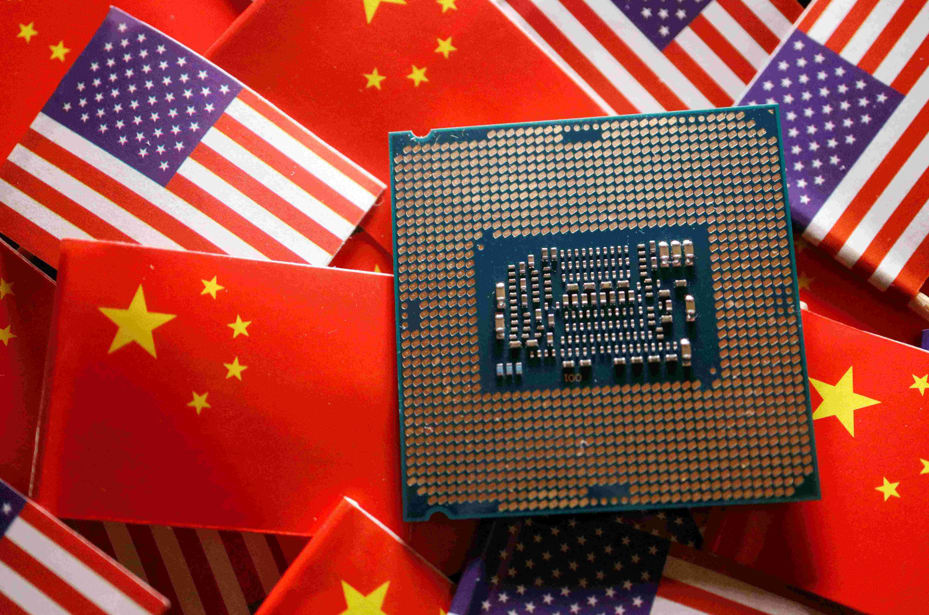
A new Commerce Department regulation created a pathway to license certain advanced AI chip exports to China, sparking a debate over national-security risk, implementation rigor, and the broader U.S. strategy for controlling frontier compute.
A report says Apple is developing a small, pin-like wearable with cameras, microphones, and AI features, signaling continued interest in new form factors for on-device intelligence beyond phones and watches.
A US judge said there is sufficient evidence for Elon Musk’s lawsuit challenging OpenAI’s shift toward a for-profit structure to go to trial. The case highlights mounting legal and political pressure over governance, funding and safety promises in the AI boom.