A new U.S. policy on advanced AI chip exports to China is drawing scrutiny from national-security analysts and industry watchers, after the Department of Commerce published a regulation that loosens restrictions and establishes a licensing framework for certain cutting-edge chips. The shift, reported as a codification of a prior policy announcement, opens a route for companies to seek approval to ship specific high-performance AI processors that had been tightly constrained.
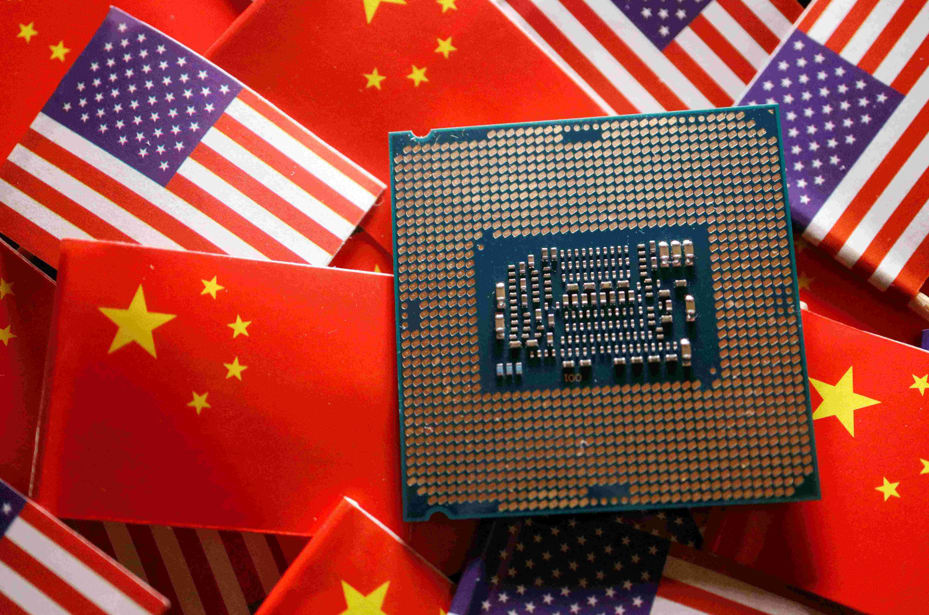
The central argument for export controls has been that advanced AI chips can materially strengthen military and intelligence capabilities by enabling faster model training, better surveillance analytics, and more robust cyber operations. Under that logic, limiting access to high-end compute is a strategic tool. The new approach does not discard the national-security concern, but instead tries to balance risk with a regulated pathway that depends on licensing decisions and compliance requirements.
Critics say the framework is vulnerable to the very problems export controls are meant to prevent: evasion, diversion, and gray-market supply chains that are difficult to monitor at scale. They argue that if the licensing posture is strict, the regulation may effectively block most shipments anyway—creating uncertainty without clear economic benefit. If the posture is loose, they argue, it could meaningfully increase China’s access to frontier compute and undermine the stated security rationale.
For the private sector, the stakes are high because advanced AI chips sit at the center of the global AI boom. Firms selling GPUs and accelerators want predictable rules and a clear understanding of which performance thresholds trigger denial versus case-by-case review. Cloud providers and data center operators also need clarity because cross-border infrastructure and remote access arrangements can be treated as de facto exports depending on how regulations are written and enforced.
The broader ecosystem impact extends beyond chipmakers. Hardware supply chains rely on long planning cycles, and export uncertainty can influence where new capacity is built, how product lines are segmented by geography, and whether companies prioritize domestic or international customers. Policy swings can also shape R&D strategy, because firms may redesign chips to fit within exportable performance bands—or shift investment toward software and services that face different regulatory constraints.
Supporters of a more flexible policy argue that an overly rigid approach can backfire by accelerating foreign substitution and reducing U.S. firms’ revenue, which could in turn weaken their ability to invest in next-generation technology. They also argue that smart licensing and end-use checks can manage risk while preserving U.S. competitiveness. Opponents counter that checks are hard to verify once chips are deployed inside opaque institutions or resold through intermediaries.
In practice, the policy’s real effect will depend on enforcement rigor: the quality of end-user due diligence, the government’s willingness to deny licenses for ambiguous cases, and the ability to detect diversion. As AI becomes more central to economic and military power, the debate over whether export controls should be absolute, conditional, or narrowly targeted is likely to intensify rather than fade.