A US judge ruled that Elon Musk’s lawsuit challenging OpenAI’s efforts to convert toward a for-profit structure can proceed to trial, a development that intensifies scrutiny of how leading AI labs are financed and governed. The decision indicates the court sees enough evidence to continue examining claims that OpenAI’s leadership made commitments about preserving a nonprofit-oriented mission and later moved in a different direction as commercial pressures grew.
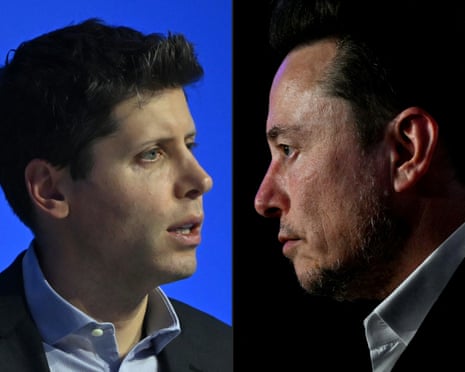
The dispute is being watched closely because it touches on a central tension in the modern AI race: building and deploying increasingly capable systems requires enormous capital, yet the societal risks of the technology have led many to demand public-interest guardrails and transparent oversight. Legal fights over corporate structure, contractual assurances and fiduciary duties are emerging as one of the ways those tensions are being tested.
Musk’s case argues that assurances about mission and structure mattered in the early formation and fundraising story of OpenAI, and that changes toward a more conventional profit-driven approach could conflict with those representations. OpenAI’s defenders have argued that scaling safely and competitively requires funding and operational flexibility that may not be possible under a purely nonprofit model, especially given the rising costs of training and running frontier AI systems.
The judge’s ruling does not determine who is right on the merits; it signals that disputed facts and legal questions warrant a full trial process. That process can compel deeper disclosure of internal communications, board deliberations and deal structures, materials that could clarify how decisions were made and what was promised to donors, early partners, employees or the public.
Beyond the courtroom, the case adds to policy debates about whether leading AI developers should be treated more like critical infrastructure, with governance requirements, safety audits and disclosure obligations. As AI becomes integrated into everyday products and government workflows, pressures are rising for clearer rules around accountability when systems cause harm or when corporate incentives appear misaligned with stated public benefits.
With a trial now allowed to move forward, OpenAI’s governance model—and the broader question of how society should structure organizations building transformative AI—will remain in the spotlight. Investors, regulators and competitors are likely to parse each legal filing, both for what it reveals about one company’s evolution and for how it could shape the norms of the entire AI industry.