What the proposal would change
A new export-control push is moving through Congress. The AI Overwatch Act, advanced by the U.S. House Foreign Affairs Committee, aims to give lawmakers greater power to stop exports of top-tier AI processors—even in cases where the executive branch might otherwise approve them. The focus is on high-performance chips used to train and run advanced AI models, a category increasingly treated as strategic infrastructure.
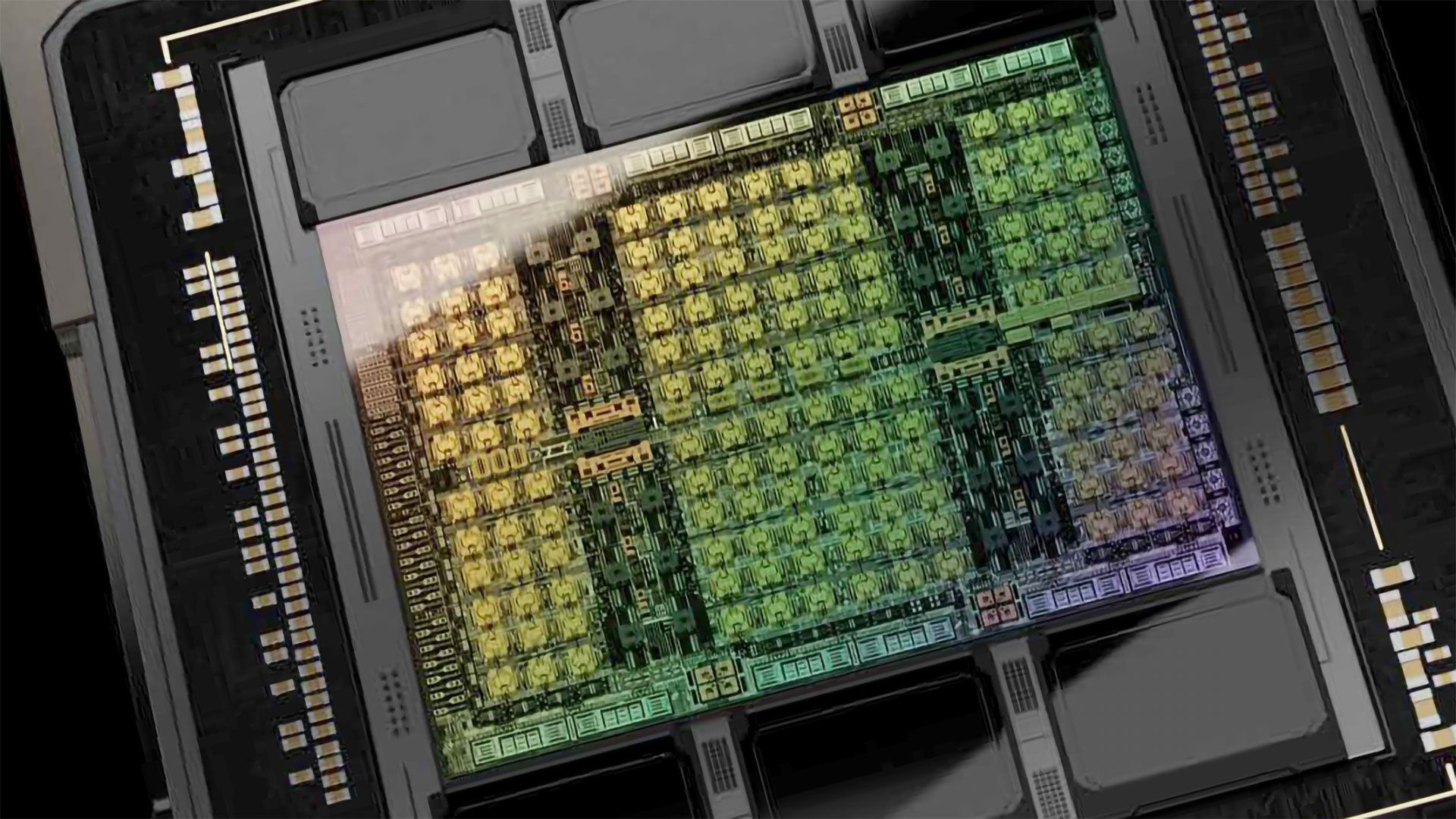
As described by Tom’s Hardware, the bill targets shipments to “countries of concern,” including China, Iran, North Korea, and Russia. It would also alter how performance thresholds are codified and could tighten the rules for chips beyond the already-restricted segment, affecting how companies such as Nvidia and AMD navigate compliance and sales.
A congressional review window and license resets
One of the most consequential elements in the reporting is the mechanism for congressional veto power and a mandatory review period. The proposal would subject future approvals to a 30-day congressional review and, if enacted, could terminate existing licenses and impose temporary denials until a new national security strategy is produced.
For chipmakers and cloud providers, that introduces greater uncertainty into contracting and fulfillment, especially for customers that are not explicitly blacklisted but are located in regions facing tighter U.S. policy scrutiny. It also increases the odds of sudden compliance changes that could disrupt supply chains and data-center buildouts.
The ‘trusted U.S. person’ concept
The article highlights a notable carve-out: a framework in which a “trusted U.S. person” could deploy otherwise restricted advanced AI GPUs abroad without certain export licenses, as long as the hardware remains under U.S. ownership and control and is not placed in a country of concern. In practice, this would encourage models like “AI compute as a service,” allowing access to capability without transferring ownership.
Why this matters for the tech sector
Export rules increasingly shape where AI training clusters can be built, who can buy the most powerful accelerators, and how quickly competitors can scale frontier models. If Congress asserts more direct authority, tech policy could become more volatile—shifting not just by administration, but also by legislative coalitions and geopolitical events.
Takeaways
- The AI Overwatch Act would strengthen congressional ability to block advanced AI chip exports to adversary nations.
- It could terminate existing export licenses and require a congressional review window for future approvals.
- A ‘trusted U.S. person’ framework would allow overseas deployment while keeping U.S. control of sensitive hardware.