A policy shift with big implications for AI hardware
A new U.S. regulation published by the Department of Commerce in January 2026 loosened restrictions on exporting certain advanced artificial-intelligence chips to China, marking a notable change from prior controls that sought to curb access to high-end computing power. The rule codifies a policy shift announced in December and is already sparking debate among national-security advocates, industry stakeholders and foreign-policy analysts.
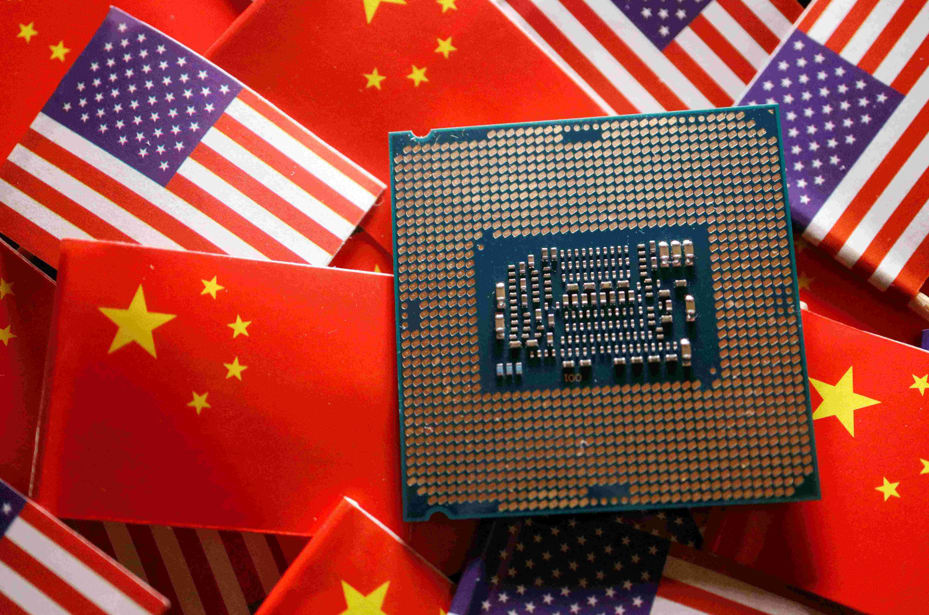
At the center of the controversy is a basic tension: advanced AI chips are both commercially valuable and strategically sensitive. They are used to train large models and run large-scale inference workloads, capabilities that can support civilian applications but also enhance military and surveillance systems. U.S. export controls aim to constrain adversaries’ access to cutting-edge capability, but they also shape global market share and supply-chain incentives for U.S. chipmakers.
Why critics say the framework is hard to police
Analysts argued that any system that permits some shipments while acknowledging serious security risk depends on strict and credible enforcement. If licensing and compliance are applied tightly, many exports might still be blocked in practice; if applied loosely, the policy could fail to prevent the very outcomes that motivated earlier controls. Another complication is end-use and end-user monitoring: advanced chips can be routed through intermediaries, resold, or deployed in facilities that are difficult to audit.
Supporters of easing the rules emphasize economic competitiveness and the risk that sweeping restrictions encourage foreign substitutes, potentially reducing U.S. leverage over time. Critics counter that the strategic downside—enhanced Chinese capability—could be irreversible, and that market considerations should not override security objectives in a technology as foundational as high-performance AI computing.
What to watch next
The next phase will likely revolve around licensing details, enforcement practices and whether Congress pushes for tighter statutory limits. For companies, the stakes include revenue, product roadmaps and the risk of sudden compliance shifts. For policymakers, the question is whether the new approach can credibly limit sensitive capability transfer while maintaining U.S. leadership in the AI hardware ecosystem.