The United States announced it will carry out multi-day aerial military drills in the Middle East, a move it says is designed to demonstrate the ability to surge and sustain combat airpower across the region at a time of escalating tension with Iran. The exercises are linked to U.S. Central Command’s posture and will involve aircraft and carrier-based operations intended to reassure partners and signal deterrence.
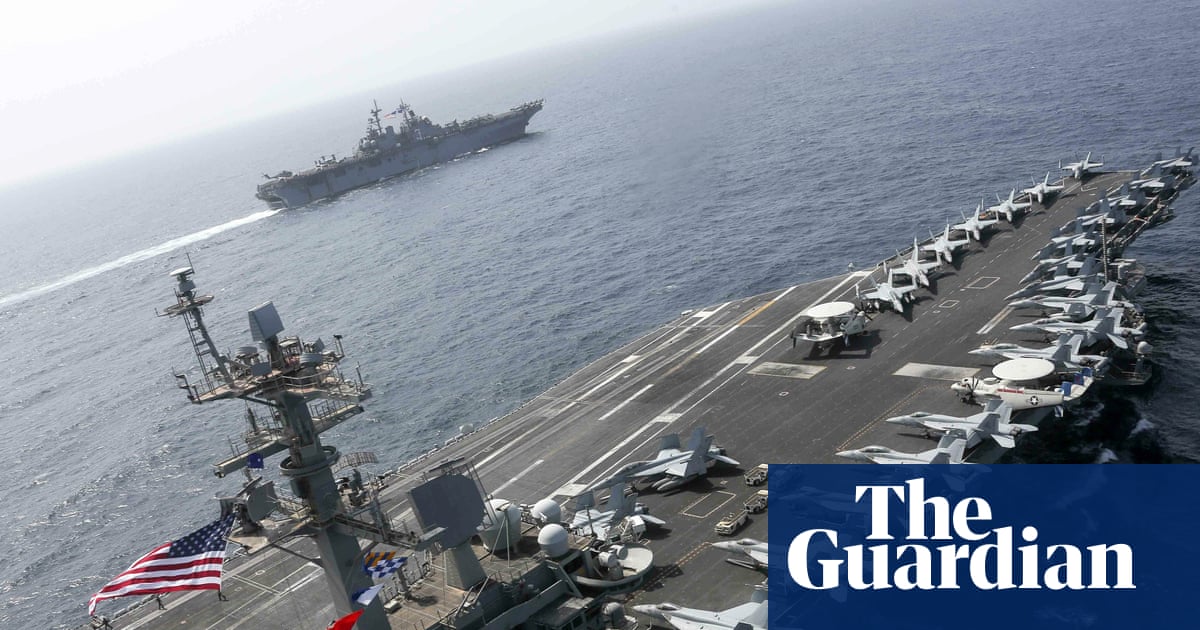
According to the announcement, the drills will be conducted with coordination efforts to manage regional airspace and to align with host-nation authorities. U.S. officials framed the operation as part of a broader readiness program rather than an immediate prelude to conflict, while also emphasizing that the U.S. can rapidly concentrate airpower if needed.
The backdrop includes reports of a harsh crackdown in Iran against pro-democracy protesters and sharply disputed death toll estimates cited by human-rights groups. That domestic unrest has fueled new international pressure and has complicated regional security calculations, as neighboring states attempt to balance deterrence, diplomacy, and their own internal political risks.
Notably, regional cooperation is not uniform. Some partners are participating in defensive components such as counter-drone scenarios, while others are signaling limits on how their territory or airspace could be used in any potential future strike scenario. Those divergences underscore the difficulty the U.S. faces in building a cohesive regional front.
U.S. leaders have also floated the possibility of diplomacy alongside military signaling, presenting the drills as both a show of force and an effort to reinforce bargaining leverage. The announcement adds another layer of pressure to an already volatile regional environment, where miscalculation risks are high and communication channels are strained.