Minefields remain, but teams shrink
Along Zimbabwe’s frontier with Mozambique, large stretches of land remain contaminated by landmines laid during the late-1970s conflict. Mine-clearance organizations say recent aid reductions forced them to cut teams and operations, slowing efforts to make farmland and community routes safe. The result, deminers and local managers say, is a growing gap between the scale of the hazard and the capacity available to address it.
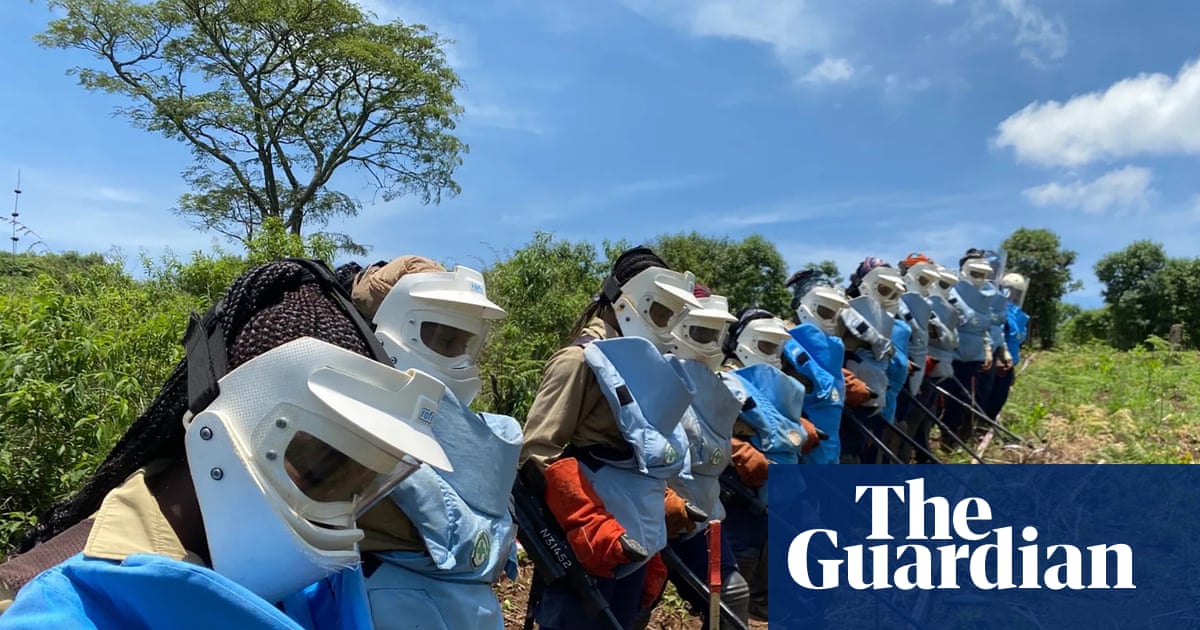
Women lose rare, well-paying jobs
Women made up a significant share of the mine-clearance workforce in Zimbabwe, and the job offered steady pay and social standing that was hard to find elsewhere. The story follows former deminer Hellen Tibu, 22, who says she supported her family on mine-clearance income until the funding cuts ended her work. After losing her position, she describes moving into more crowded housing, cutting back on school plans for a younger sister, and trying to make ends meet through informal work.
Organizations describe abrupt grant disruptions
Mine-clearance groups described layoffs across field and support staff, with some programs reporting deep reductions in the number of demining teams. Former managers said the lost funding triggered rapid operational drawdowns and, in some cases, full shutdowns. Workers interviewed said severance or short-term support did not last long enough to stabilize families who had come to rely on the wages.
Long-term danger meets short-term budgets
Landmines can remain lethal for decades, but mine clearance depends on consistent multi-year financing for trained staff, protective gear, transport, and medical readiness. With teams reduced, residents face a longer wait for land to be declared safe, and the local economic benefits of clearance—including restored grazing and cultivation—are delayed. The effect is twofold: fewer livelihoods in the present and slower risk reduction for communities living beside minefields.