Court rejects health-based bid to delay proceedings
The International Criminal Court has ruled that former Philippine President Rodrigo Duterte is fit to stand trial, rejecting arguments from his lawyers that his health and alleged cognitive decline should pause the case. Judges said a panel of medical experts assessed Duterte and concluded he can effectively participate in the pre-trial phase and exercise his procedural rights.
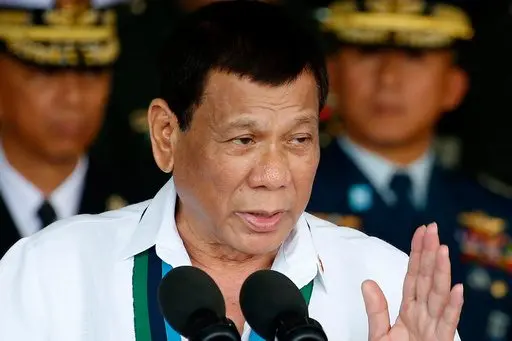
The decision addresses a central question in the case: whether the 80-year-old defendant can follow the proceedings and meaningfully assist his defense. The ICC noted that the legal threshold does not require a defendant to be operating at an idealized peak level of capacity—only that he can understand and take part in the process in a way that preserves fair-trial rights.
What comes next: confirmation of charges
The ruling clears the way for a confirmation-of-charges hearing scheduled to begin on February 23, 2026. That hearing is a key procedural step at the ICC. Prosecutors must show there is sufficient evidence to proceed to a full trial, while the defense can challenge the prosecution’s theory and contest the evidentiary basis for the allegations.
Duterte’s legal team has criticized the process around the medical assessment and has signaled it may attempt to appeal. Human rights advocates and families of victims have framed the ICC’s decision as an important move toward accountability for alleged abuses connected to the anti-drug campaign.
The allegations
Duterte faces crimes against humanity allegations linked to killings during his anti-drug crackdown, first connected to his time as mayor of Davao City and later during his presidency. Estimates of deaths vary widely: official figures have cited thousands, while rights groups have alleged far higher numbers. The ICC case focuses on whether killings were carried out as part of an organized policy and whether Duterte bears responsibility for alleged widespread or systematic attacks on civilians.
The Philippines withdrew from the ICC during Duterte’s presidency, but the court has maintained it can pursue alleged crimes committed while the country was still a member, and the case has continued to move forward despite jurisdictional challenges.