TEL AVIV — Israel announced it has recovered the remains of Ran Gvili, a police officer whose death and captivity became one of the most painful unresolved cases stemming from the Oct. 7, 2023 Hamas attack. The recovery, described by officials as the return of the final hostage’s remains, carried heavy symbolism for a country that has measured the war in both military outcomes and the fate of those taken.
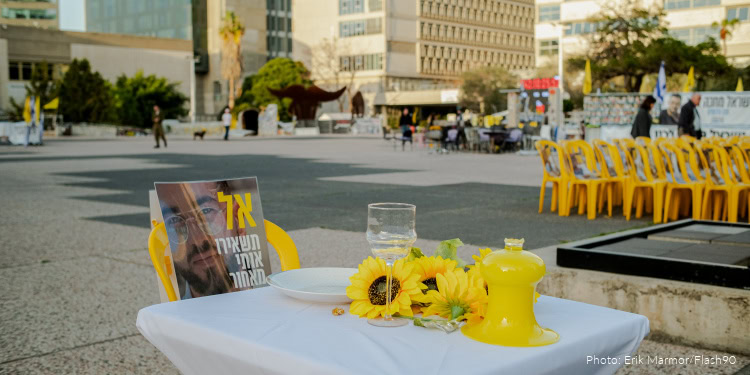
The return was achieved through a mix of intelligence work, forensic identification and military operations, according to reporting on the effort. Public reaction was marked by a sense of closure and grief at once — a reminder that even when a hostage file is closed, the losses are permanent for families and communities.
The development also interacts directly with the ceasefire’s terms. Under the framework described in reporting, Hamas has returned living hostages as well as bodies, while Israel has carried out its own releases and repatriations. The recovery of Gvili’s remains was presented as fulfilling a key condition in the initial phase of that deal.
Attention is now shifting to what comes next. The ceasefire’s later steps are expected to be more politically and militarily complex, involving questions that have divided leaders on all sides: the future governance of Gaza, border access and the pace of reconstruction, as well as demands related to security control and the disarmament of militant groups.
In Israel, officials have continued to emphasize preventing Hamas from rebuilding capabilities, while also facing pressure from the public and hostages’ families to prioritize the safe return of everyone still unaccounted for. In Gaza, Palestinians remain focused on humanitarian survival — access to medicine, shelter, and functioning crossings — while living amid displacement and damage that will take years to reverse.
Even the recovery itself drew disputes. Multiple parties have issued competing claims about the intelligence that led to the location of the remains, reflecting how every development is contested in a conflict where narratives are treated as strategic assets.
With the final hostage case now resolved in this phase, negotiators face a harder question: whether the ceasefire can evolve beyond exchanges and into a durable political arrangement. The answer will depend not only on battlefield realities, but on whether leaders can sell compromises to deeply skeptical publics.