Senior U.S. envoys met with Israeli Prime Minister Benjamin Netanyahu to urge progress on moving a Gaza ceasefire into its next phase, as negotiators and regional actors weigh border access, monitoring mechanisms and the handling of hostage-related issues that remain central to the deal.
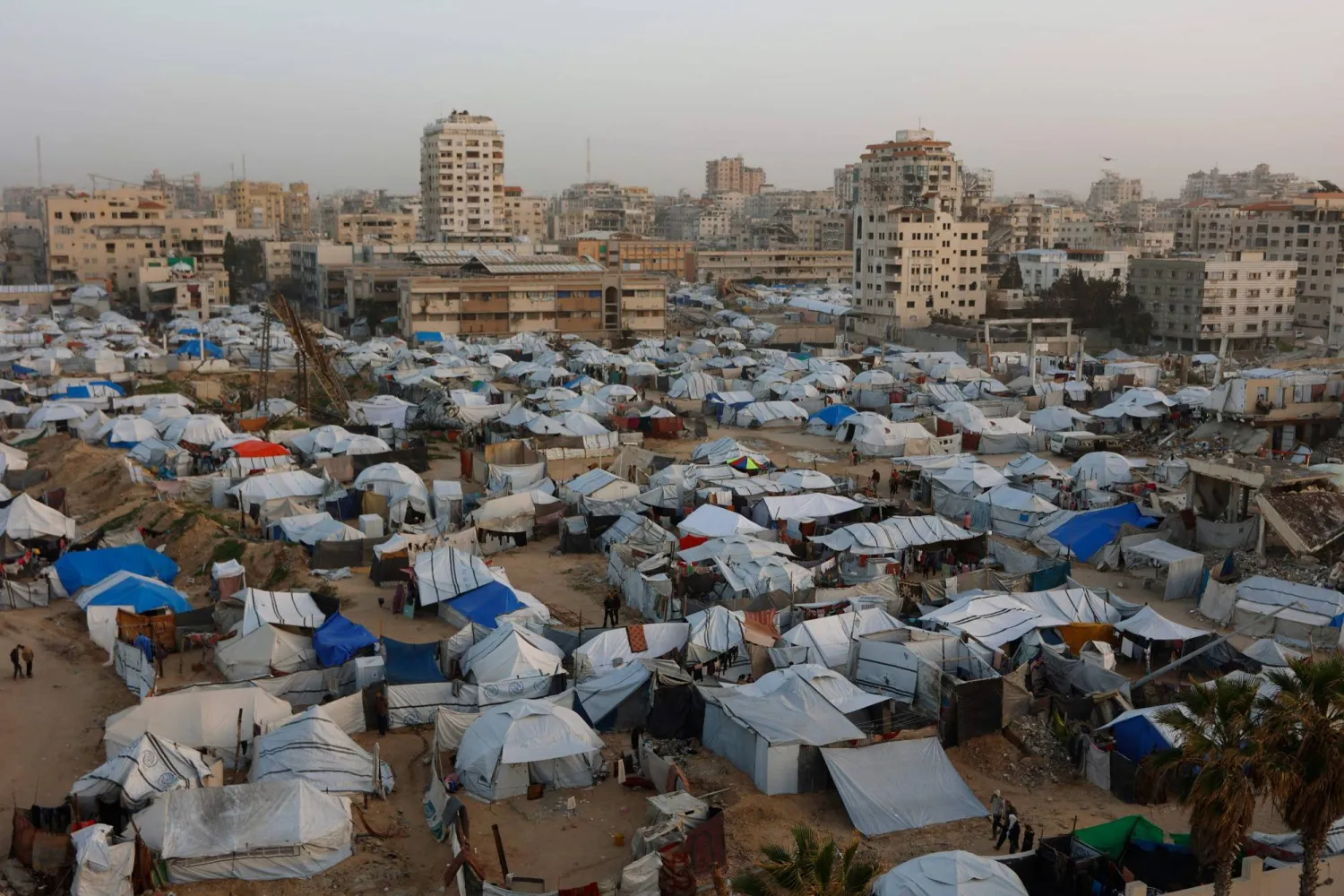
The talks come as diplomacy continues alongside ongoing violence and intense political pressure. A key sticking point is the fate of hostage remains still held by Hamas and the sequencing of steps expected in phase two. The diplomatic push reflects Washington’s effort to keep the ceasefire framework on track, while trying to avoid a collapse that could return the conflict to full-scale fighting.
One of the most consequential practical questions is the Rafah border crossing between Gaza and Egypt. The crossing is widely viewed as critical for humanitarian access and for any broader stabilization plan, and it has also become a symbolic measure of whether the parties are prepared to take politically difficult steps as the process advances.
Egypt has signaled support for reopening Rafah quickly, and officials and mediators have discussed the possibility of an international monitoring presence as part of the next phase. Such an arrangement would likely need to address security concerns, inspection procedures and the respective roles of Israel, Egypt and any international participants—issues that historically have been difficult to resolve.
Meanwhile, incidents on the ground continue to complicate diplomacy. Reports of an Israeli strike killing two Palestinian teenagers collecting firewood near a designated safe zone fueled debate over the circumstances and identities involved, underscoring how fast-moving events can inflame tensions and harden negotiating positions.
In Israel, Netanyahu faces pressure from competing domestic constituencies: some demanding a firm military posture and others prioritizing hostage recovery and de-escalation. In Gaza, the humanitarian situation and governance questions remain unresolved, and Hamas’ posture in negotiations is shaped by both internal dynamics and relationships with regional intermediaries.
Whether phase two proceeds will likely depend on near-term decisions about border operations, verification measures and the tempo of prisoner and hostage-related steps. U.S. officials are attempting to keep the parties engaged and prevent a spiral in which one provocative incident triggers retaliatory escalation that derails the larger process.