Diplomacy aimed at the ceasefire’s next stage
U.S. envoys met with Israeli Prime Minister Benjamin Netanyahu to urge progress into what AP described as the second phase of the Gaza ceasefire. The push highlights Washington’s effort to keep a fragile arrangement from stalling after initial steps, and to convert a temporary pause into a more structured set of commitments. A key element being discussed is the Rafah crossing between Gaza and Egypt, with Egyptian officials backing an immediate reopening as part of the next phase’s practical measures. ([apnews.com](https://apnews.com/article/90e36ca7d2e27ca8a21d1727e9e0119f))
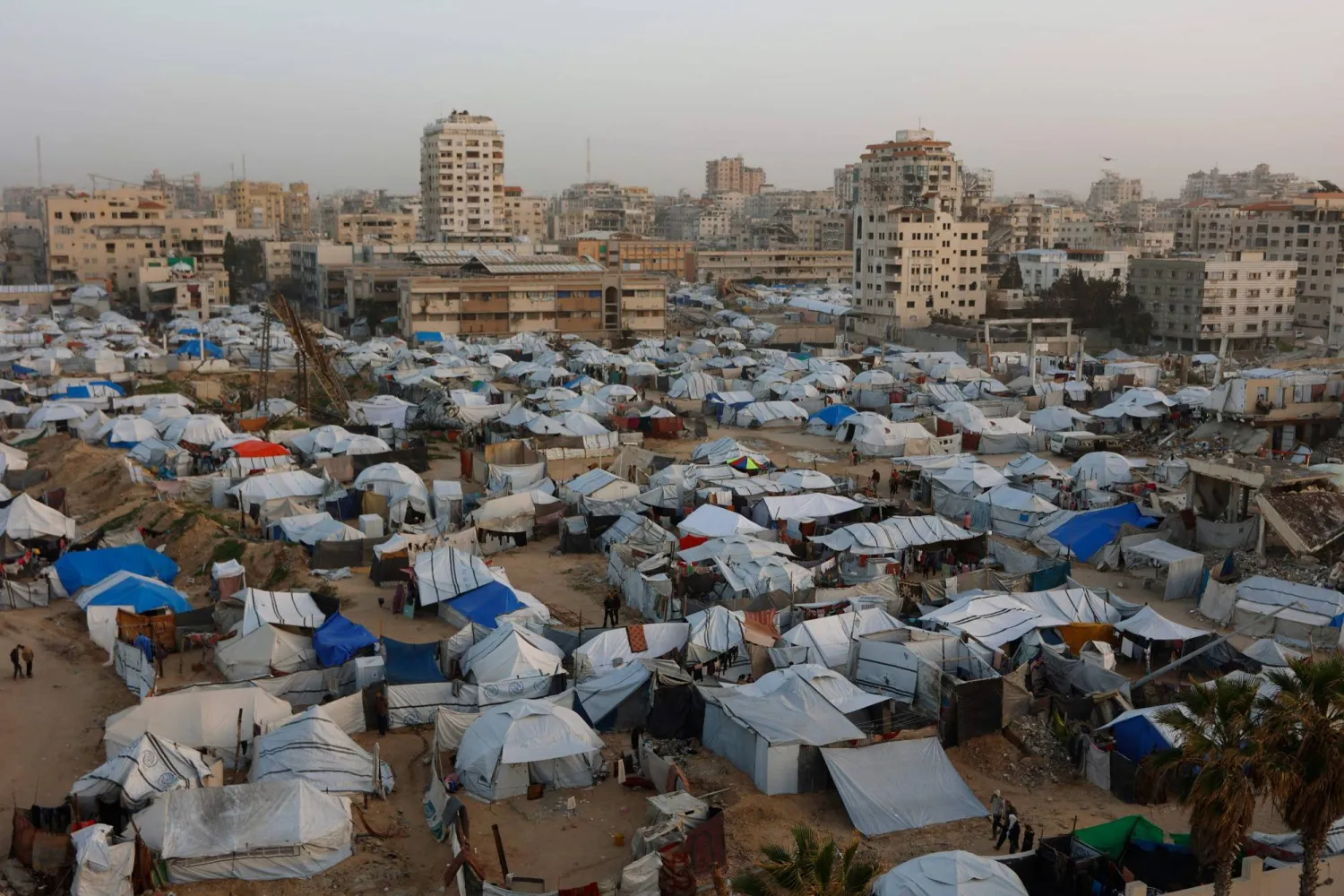
According to AP, talks have also involved the prospect of an international monitoring force and discussions around Israeli troop withdrawals from Gaza. Those elements—monitoring, borders, and redeployments—tend to be among the most politically sensitive issues in ceasefire transitions, especially when each side worries that security gaps could be exploited or that concessions will be irreversible. ([apnews.com](https://apnews.com/article/90e36ca7d2e27ca8a21d1727e9e0119f))
Rafah crossing: logistics and symbolism
The Rafah crossing is both a humanitarian artery and a strategic lever. Its status affects aid access, medical evacuations, movement of people, and the broader perception of whether Gaza is sealed off or partially reintegrated into regional trade and travel routes. AP reported that Gaza’s prospective administrative figure Ali Shaath said Rafah would open soon, though Israel had not confirmed that in the same terms, underscoring how even announcements can become a bargaining chip in a volatile environment. ([apnews.com](https://apnews.com/article/90e36ca7d2e27ca8a21d1727e9e0119f))
In many previous ceasefire efforts, border crossings have been the first place agreements unravel: disagreements over inspection, staffing, and security procedures can freeze movement even after leaders claim a diplomatic win. That is why the discussions described by AP—international monitoring and withdrawal sequencing—matter: they are the mechanisms that can keep a political promise from collapsing at the checkpoint gate. ([apnews.com](https://apnews.com/article/90e36ca7d2e27ca8a21d1727e9e0119f))
Violence continues alongside negotiations
Even as envoys pressed for progress, AP noted continued violence and reported that, since the ceasefire began, more than 480 Palestinians have been killed by Israeli fire, citing Gaza’s Health Ministry; AP added that the ministry’s casualty records are generally seen as reliable by U.N. agencies and independent experts, though Israel disputes the figures and has not provided its own totals. The persistence of deadly incidents during a ceasefire window increases the risk that a single event could derail talks or harden positions. ([apnews.com](https://apnews.com/article/90e36ca7d2e27ca8a21d1727e9e0119f))
What the next phase likely hinges on
- A credible, mutually acceptable framework for Rafah operations, including who runs day-to-day control and how security screening is handled.
- Sequenced commitments on troop movements and enforcement to reduce incentives for either side to walk away.
- A monitoring arrangement that has enough legitimacy to be trusted by Israel, Egypt, and Gaza authorities, and enough operational capacity to function under stress.
If those components remain unresolved, the ceasefire risks remaining a series of temporary pauses rather than a durable shift. If they do come together, the next phase could meaningfully change humanitarian access and the political trajectory of the conflict.