A ceasefire mechanism meets alliance politics
International diplomacy around Gaza entered a complicated phase in late January 2026 as President Donald Trump’s push for a ceasefire oversight structure—described as a ‘Board of Peace’—encountered resistance from key European partners. The initiative, which has been framed as a vehicle to manage Gaza’s future after a ceasefire, is now intertwined with a separate set of disputes roiling the transatlantic relationship.
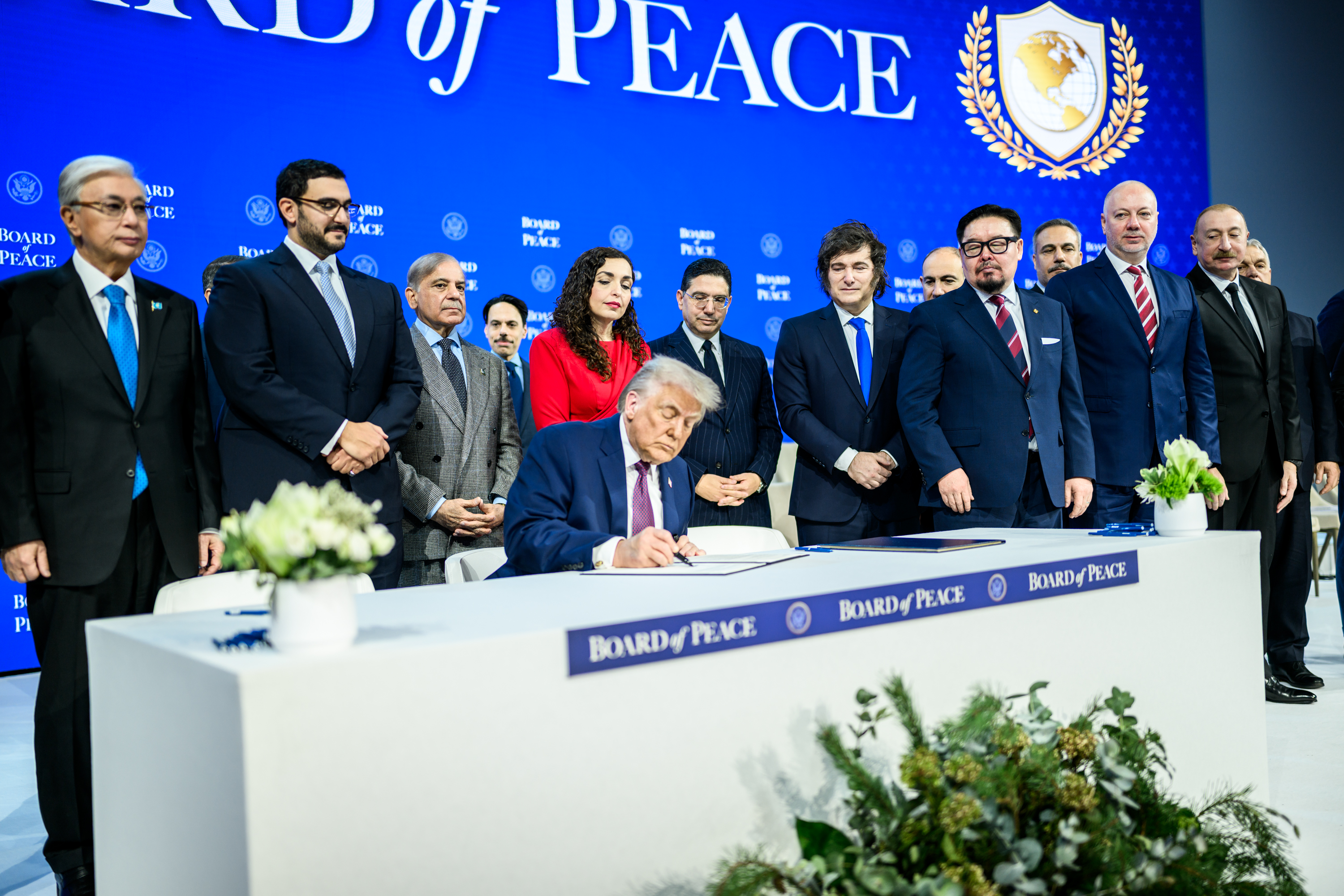
At the center of the tension is Trump’s posture toward Europe and Denmark over Greenland. In reporting this week, the President’s threats and public messaging about Greenland were described as antagonizing allies at a moment when their cooperation is crucial for sustaining the credibility and implementation of any Gaza-related diplomatic plan.
Europe wary of joining the Board of Peace
According to the report, invitations to participate in the Board of Peace have not translated into widespread commitments, with European leaders remaining skeptical. Part of that skepticism stems from concerns that the mechanism could be used to sideline or rival established multilateral institutions rather than complement them. That perception has made it more difficult to recruit the kinds of partners whose security, aid, and diplomatic weight could help stabilize a post-ceasefire environment.
The situation illustrates a familiar dilemma in modern crisis diplomacy: a single initiative can be technically designed to solve a specific conflict problem, but its success depends on trust among the same governments that must simultaneously manage unrelated disputes. When alliances are strained, even a plan with formal international backing can stall, because implementation requires steady coordination rather than one-off declarations.
Tariffs, Greenland, and credibility
The report also described how tariff threats aimed at European nations, combined with provocative rhetoric, have complicated the political environment for European governments. Leaders who already face domestic skepticism about U.S. intentions must weigh the optics of aligning with a U.S.-led structure while their own citizens see Washington escalating tensions with European capitals.
Diplomats and analysts cited in coverage suggested the approach risks undermining U.S. credibility—particularly if allies conclude that U.S. priorities are shifting rapidly from one crisis to another. In that environment, even supportive governments may hesitate to sign on to new frameworks, worrying that the rules, membership, or mission could change abruptly.
What to watch
The next test will be whether the U.S. can reduce friction with European partners long enough to lock in operational details—mandates, enforcement mechanisms, and reconstruction coordination—needed for a durable ceasefire. Without broader participation, the Board of Peace may remain more symbolic than functional, leaving ceasefire monitoring and governance questions to ad hoc arrangements and unstable bargaining.