U.S. President Donald Trump used the World Economic Forum in Davos to inaugurate what he calls a “Board of Peace,” an international body intended to help oversee conflict resolution—starting with the Gaza ceasefire framework that prompted the concept—while also hinting it could extend to other global crises.
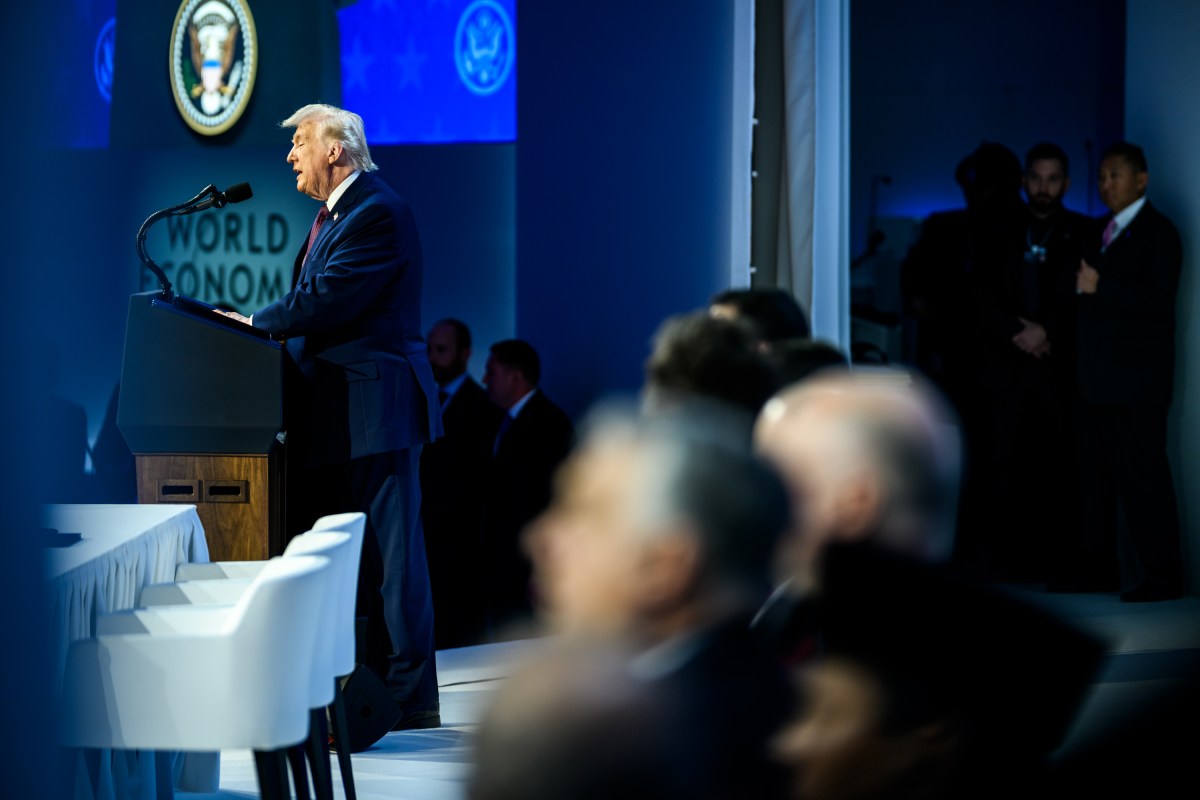
The rollout, however, arrived with major unanswered questions: how decisions would be made, what enforcement tools or monitoring mechanisms would exist, and how the board would interact with institutions like the United Nations and the U.N. Security Council. Those uncertainties contributed to a cautious response from several U.S. partners, with some countries declining to participate and others staying noncommittal.
The event highlighted a recurring tension in diplomacy: speed versus legitimacy. Trump framed the initiative as a pragmatic vehicle to bring leaders into the same room and keep ceasefire commitments on track. Critics and skeptics, by contrast, warned that a new structure without clear governance could duplicate—or undermine—existing international frameworks, especially if membership includes governments with competing interests or poor human-rights records.
The board’s membership picture looked lopsided. While Trump claimed broad global interest, early participation appeared limited and uneven, fueling debate over whether it is a serious multilateral mechanism or a political project that will struggle to gain durable support.
Beyond Gaza, the Davos meetings also featured renewed discussion about Ukraine and European security. Ukrainian President Volodymyr Zelenskyy pushed allies to move faster on security guarantees while signaling cautious optimism about additional talks. Meanwhile, Russia showed interest in being involved in the broader diplomatic ecosystem forming around Trump’s efforts.
Whether the Board of Peace becomes a lasting diplomatic platform or fades into a symbolic initiative is likely to depend on whether it can clarify its mandate, secure participation from key U.S. allies, and demonstrate concrete results—especially in implementing, monitoring, and sustaining ceasefire commitments.