Russia’s government says President Vladimir Putin has been invited to join a new Gaza-focused “board of peace” associated with former U.S. president Donald Trump, injecting fresh controversy into already fraught diplomacy around the Israel–Gaza war. According to the Kremlin, Moscow has not provided a definitive response and is seeking additional clarity from Washington about how the group would operate and what authority it would actually have.
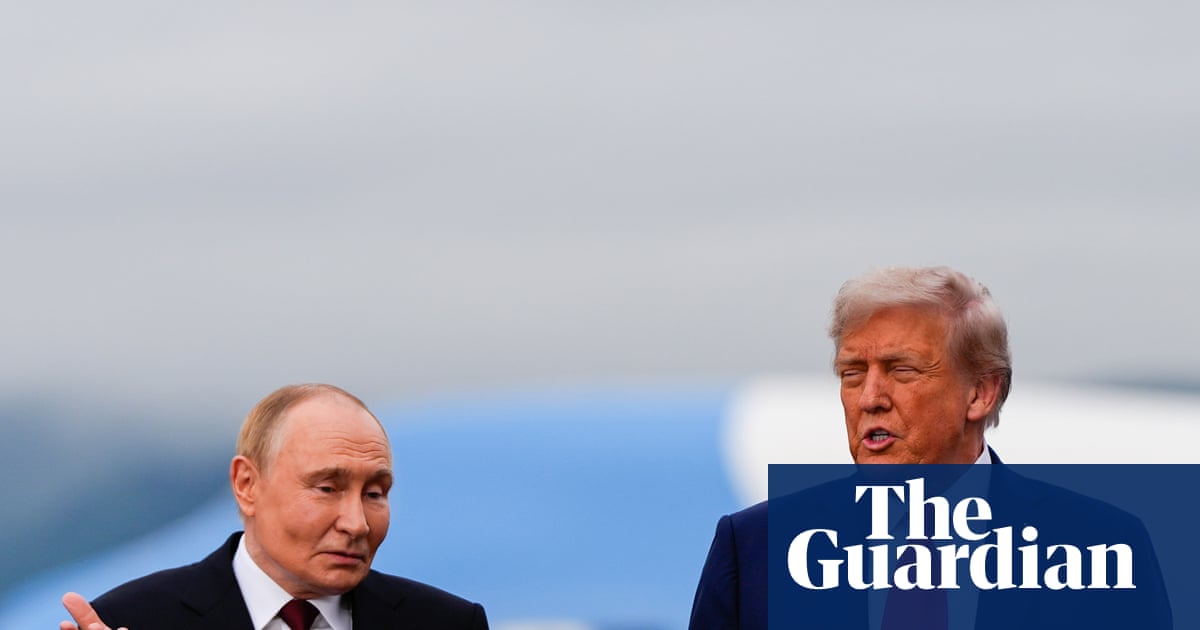
The invitation is immediately contentious because Russia remains engaged in its war in Ukraine and has faced international criticism over civilian harm, displacement, and repeated breakdowns in ceasefire efforts. Critics argue that inviting Putin to a body framed as a peace mechanism risks undermining credibility and could be read as rehabilitating Russia’s global standing without addressing Ukraine.
Supporters of the initiative contend that any forum capable of drawing in major powers could help lower the temperature and create additional channels for negotiations, particularly if the body helps coordinate humanitarian access, reconstruction planning, or enforcement arrangements for any ceasefire that takes hold.
Questions remain about the membership model, transparency rules, and whether decisions would be advisory or binding. Governments wary of parallel diplomatic structures have expressed unease about efforts that appear to bypass established multilateral frameworks, including the United Nations and regional mechanisms.
The timing also intersects with wider geopolitical tensions, including disputes among U.S. allies and debates about the future of postwar governance in Gaza. Skeptics warn that without buy-in from regional actors and the principal parties to the conflict, a new board risks becoming symbolic rather than operational.
Meanwhile, continued violence and competing diplomatic tracks have made Gaza ceasefire efforts fragile. Even where temporary pauses have been discussed, disagreements over prisoner exchanges, security arrangements, and the role of external monitors have repeatedly slowed progress.
If the board proceeds, its effectiveness will likely be judged on concrete deliverables: whether it can support sustained humanitarian access, help align donor commitments, and create workable frameworks that reduce the likelihood of renewed fighting. For now, the Kremlin’s statement highlights the political sensitivity of who gets a seat at any “peace” table, and why legitimacy is becoming as important as leverage.