A game played under the shadow of a citywide crisis
The Minnesota Timberwolves returned to the court in Minneapolis in an atmosphere shaped more by grief than by basketball after the NBA postponed their game for 24 hours following the fatal shooting of 37-year-old Alex Pretti by a federal officer. When the Timberwolves faced the Golden State Warriors, the arena carried the weight of a community in turmoil, with emotions still raw from days of protests and heightened tension over federal immigration operations in the city.
Warriors coach Steve Kerr described the environment as unusually somber, noting that both the crowd and the Timberwolves appeared deeply affected. Timberwolves coach Chris Finch, typically restrained in public settings, spoke emotionally about the fear and pain the community was experiencing. The league’s decision to delay the game was framed as a safety and security measure for Minneapolis, acknowledging that the situation in the streets was evolving quickly.
Tributes, statements, and protests around the arena
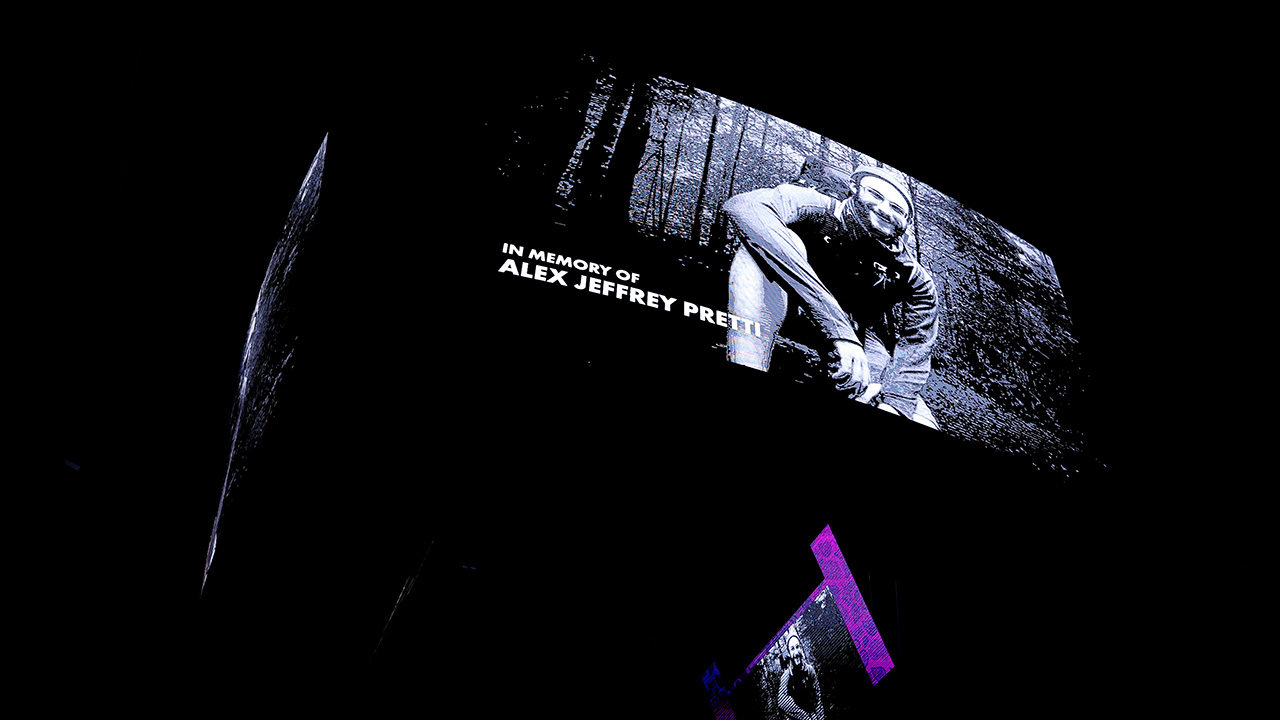
Before tipoff, the Timberwolves observed a moment of silence for Pretti, echoing an earlier tribute the team held for Renee Good, who was also fatally shot by a federal officer earlier in the month. The repeated ceremonies underscored how quickly the city’s crisis has become a recurring trauma. Finch said the postponement was sought to respect the public grieving process and to avoid asking fans, staff, and players to pretend normalcy while the community was still reeling.
Protests downtown remained a visible presence around the game, with tens of thousands having marched in the days leading up to it. Demonstrations and chants appeared across the sports landscape as well, with athletes and fans in different leagues signaling solidarity and calling for accountability. The NBA Players Association issued a statement in support of the demonstrators and encouraged players to use their voices, illustrating how the event quickly transcended a single matchup.
Basketball felt secondary—and that was the point
On the court, the Timberwolves struggled, and the result was almost beside the point. Coaches emphasized that the harder task was mental and emotional: competing while absorbing news, watching video, and hearing from friends and family affected by the unrest. Kerr said it was difficult for anyone to focus, and Finch described the performance as hollow given the circumstances.
For Minneapolis, the game became less an escape than a reflection of the moment—one more public gathering occurring amid uncertainty, grief, and civic conflict. The question now is whether sports events can proceed without further disruption as the community demands answers and as federal and local officials attempt to de-escalate. For the players and coaches, the night offered a visible reminder that professional competition does not exist apart from the city that hosts it.