A game played under a cloud
The Minnesota Timberwolves returned to play the Golden State Warriors in what was widely described as a strange and emotionally heavy night, with Minneapolis grieving after the fatal shooting of 37-year-old Alex Pretti during protests tied to an immigration crackdown. The game followed a postponement, and the arena mood reflected shock and exhaustion.
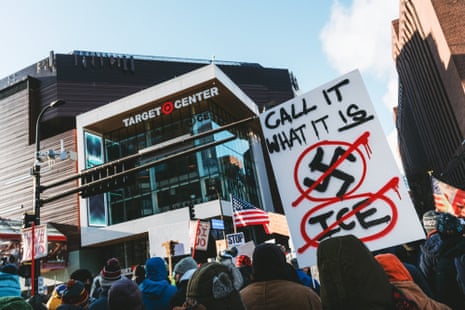
Coaches and players acknowledged the difficulty of competing while the city processed the violence and the ongoing demonstrations outside the sports world. A moment of silence and public expressions of sympathy underscored that the tragedy had moved beyond politics into community mourning.
Athletes respond as the city protests
The story also captured how sports institutions respond in real time to social crisis. Statements and gestures from players, coaches, and wider sports organizations highlighted solidarity with grieving residents and calls for accountability. The atmosphere, even for fans seeking normalcy, was a reminder that games do not exist apart from the cities that host them.
Beyond basketball, the reaction spread across local sports communities, reflecting a broader pattern: athletes increasingly see public events as moments where they are expected to comment, support, or push for change, particularly when tragedy hits close to home.
Why it matters
When civic unrest and sports collide, schedules, security planning, and public messaging all change. The Timberwolves-Warriors game became a symbol of Minneapolis attempting to move forward while still demanding answers, showing how professional sports can function as a public gathering space during grief.
As protests continue, teams and leagues will face ongoing questions about safety, postponements, and how to engage communities without inflaming tensions—especially when events remain politically charged and emotionally raw.