A brewing fight over immigration enforcement is now driving high-stakes budget politics in Washington, as Democrats signal they may withhold the votes needed to advance a Department of Homeland Security funding bill unless it includes substantial reforms to Immigration and Customs Enforcement. The push intensified after a U.S. citizen was killed by federal agents in Minneapolis, an incident that ignited protests and fresh demands for oversight.
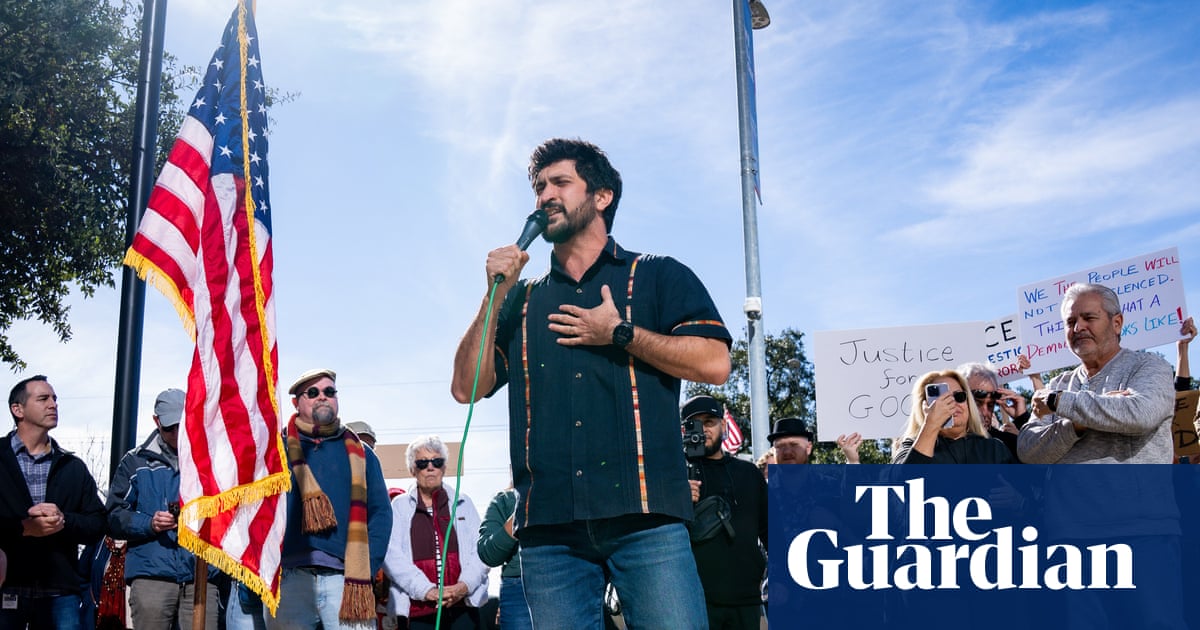
Rep. Greg Casar and other progressives are pressing Senate Democrats to treat DHS funding as leverage to impose operational constraints on ICE. Among the reforms being discussed are measures to increase identification requirements for agents, prevent certain enforcement tactics, and mandate independent investigations after fatal encounters involving federal personnel. Supporters argue that without such guardrails, Congress would be endorsing an enforcement regime they view as out of control.
The legislative math is tight. Republicans control the Senate and want to keep the DHS bill packaged with other appropriations measures, but they still need some Democratic support to move bills quickly and avoid lapses in funding. Democrats say they will not help advance the package if DHS funding proceeds without changes, raising the likelihood of a partial shutdown if lawmakers fail to reach an agreement before the deadline.
Republicans argue that holding DHS funding hostage weakens national security and border enforcement. Democrats counter that national security includes ensuring federal agencies follow clear rules, that lethal incidents receive transparent review, and that Congress has a duty to set conditions on how taxpayer dollars are used.
The dispute is shaping up as a defining political confrontation: whether the administration’s immigration strategy can be restrained through the appropriations process, and whether either party is willing to accept shutdown risk to prove its point. With public attention focused on Minneapolis and its fallout, both sides appear to believe the politics of backing down could be worse than the politics of brinkmanship.