A defining figure in DC’s fight for representation steps aside
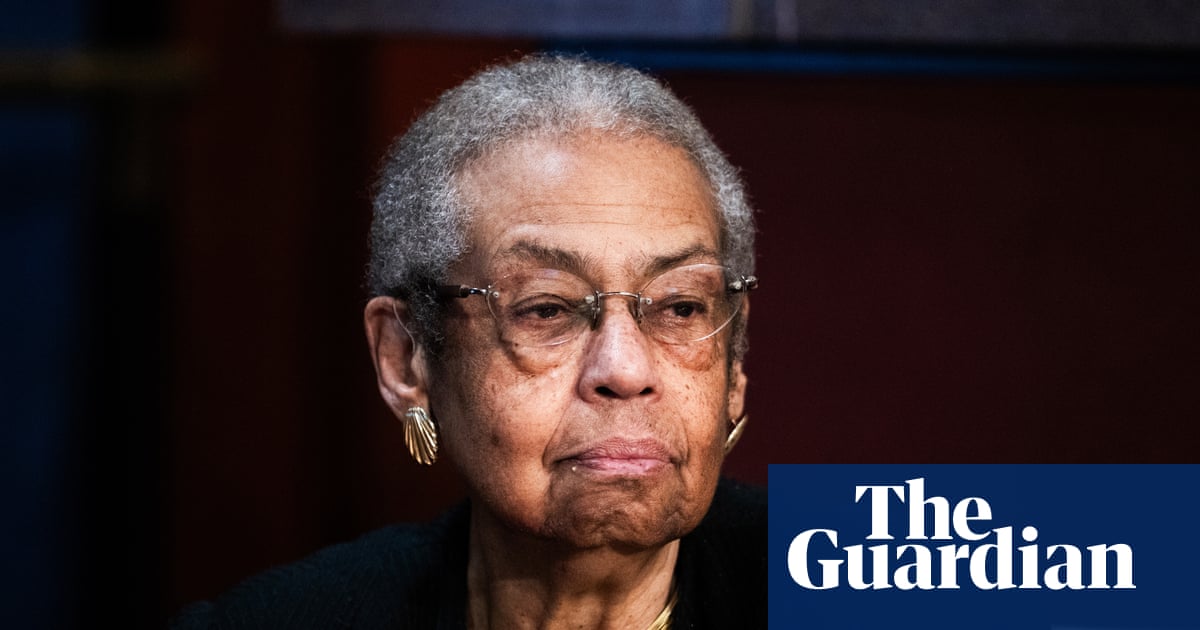
Eleanor Holmes Norton, 88, announced she will retire from Congress, concluding a long tenure as Washington, DC’s delegate in the House of Representatives. While the position does not carry a floor vote, Norton used the office as a national platform for DC’s 700,000-plus residents and for the principle that the capital should have full democratic representation.
First elected in 1990, Norton built her career around issues that intersect local governance and federal power. She became closely identified with the push for DC statehood and the effort to end what residents describe as taxation without representation. Her work also spanned the practical politics of keeping DC’s budget and autonomy from being overridden by Congress.
Statehood wins in the House, stalls in the Senate
Norton’s tenure included moments when DC statehood advanced further than at any other time in modern history, including House passage of a statehood bill that ultimately failed in the Senate. The structure of Congress remains the core obstacle: Republicans have largely opposed statehood, arguing it would change the Senate’s balance, while supporters say it is an overdue civil-rights correction.
Because her office lacked a vote, Norton’s influence often depended on committee work, coalition building, and persistence across multiple administrations. She became a recognized voice in national debates about democracy and federalism, repeatedly framing DC’s status as a constitutional anomaly in a modern democracy.
Succession politics begins
Norton’s decision opens the first truly competitive race for the seat in decades. Local leaders and ambitious politicians are expected to look at the post as a rare federal platform tied directly to DC’s unfinished agenda: statehood, home rule, and federal investment. The next delegate will inherit both a strong advocacy tradition and a political reality in which DC’s goals still depend on national party math.
The retirement also arrives in a moment of heightened scrutiny around aging leaders in Washington. Norton’s supporters argue her legacy is defined by decades of visible, relentless advocacy; critics say the transition is overdue. Either way, her departure marks the end of an era for the district’s congressional representation.