A phone call amid escalating controversy
President Donald Trump indicated on Monday, January 26, 2026, that he would “look into” reducing the number of federal immigration agents deployed in Minnesota, according to a statement from Gov. Tim Walz’s office. The development came as public anger intensified over events in Minneapolis tied to an aggressive federal immigration enforcement push and a fatal shooting that sparked protests and broader political fallout.
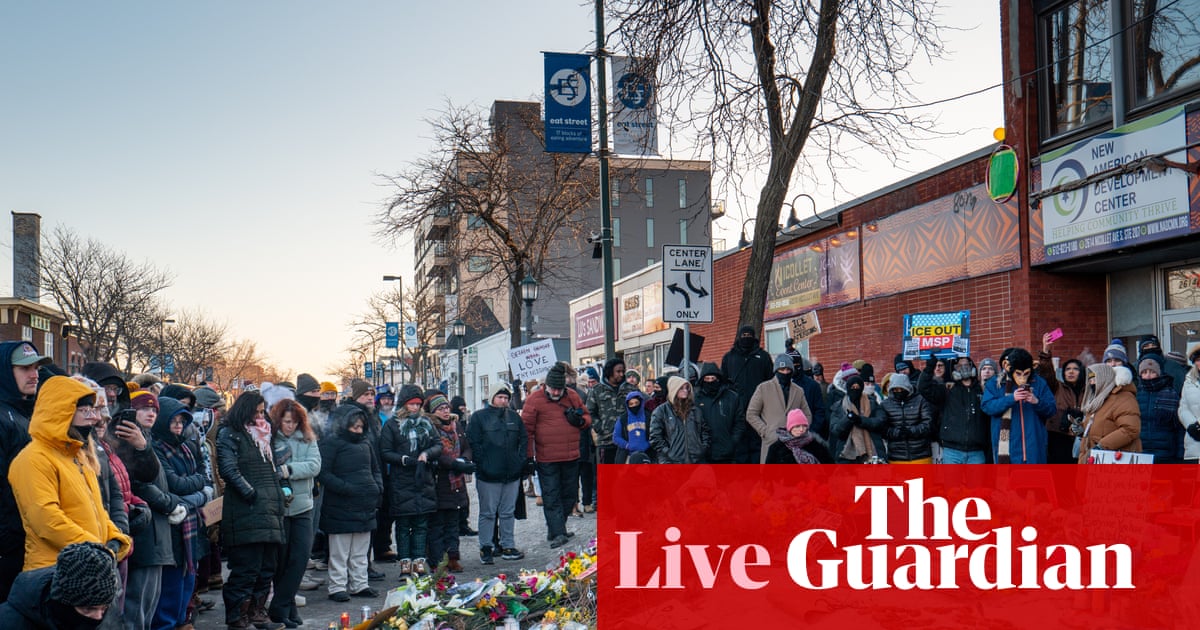
Walz’s office described the call as productive and said the president also agreed to work in a more coordinated fashion with the state on immigration enforcement focused on violent criminals. The statement landed in the middle of fast-moving legal and political fights, with federal court proceedings and public demonstrations unfolding at the same time.
Legal scrutiny and operational questions
The deployment and tactics of federal agents in Minnesota were facing heightened scrutiny, including court activity that could shape how the operation is conducted and whether elements of it are permitted to continue. As lawyers and judges weigh challenges, state officials and critics argued that the federal presence had escalated tensions and raised serious questions about accountability and oversight.
At the same time, the White House and federal agencies have defended enforcement goals, framing the surge as necessary. The clash between state and federal leaders has turned the episode into a national political test: not only over immigration strategy, but also over the boundaries of federal power when operations unfold in defiance of local opposition.
Public backlash reshapes the political landscape
The Minneapolis situation fueled protests and intensified debate across party lines about how immigration enforcement should be carried out, what safeguards should exist for bystanders and residents, and what consequences should follow when operations result in death or serious injury. The call between Trump and Walz suggested the administration was at least sensitive to the political costs of continuing at the same intensity, even if no concrete timeline for changes was provided in the state’s account.
For Minnesota leaders, the next steps hinge on whether federal officials actually scale back and whether courts impose new limits or evidence-preservation requirements. For the administration, the episode is becoming a high-profile measure of how it responds when enforcement actions collide with public pressure, litigation, and the risk of further escalation.