A killing in Minneapolis drives a national political fight
The fatal shooting of Minneapolis nurse Alex Pretti by federal immigration agents has triggered a surge of protests and an escalating political clash between Minnesota officials and the Trump administration. The immigration enforcement effort—described as a large-scale deployment of federal agents—has become a focal point for debate over federal power, accountability, and policing standards during enforcement actions.
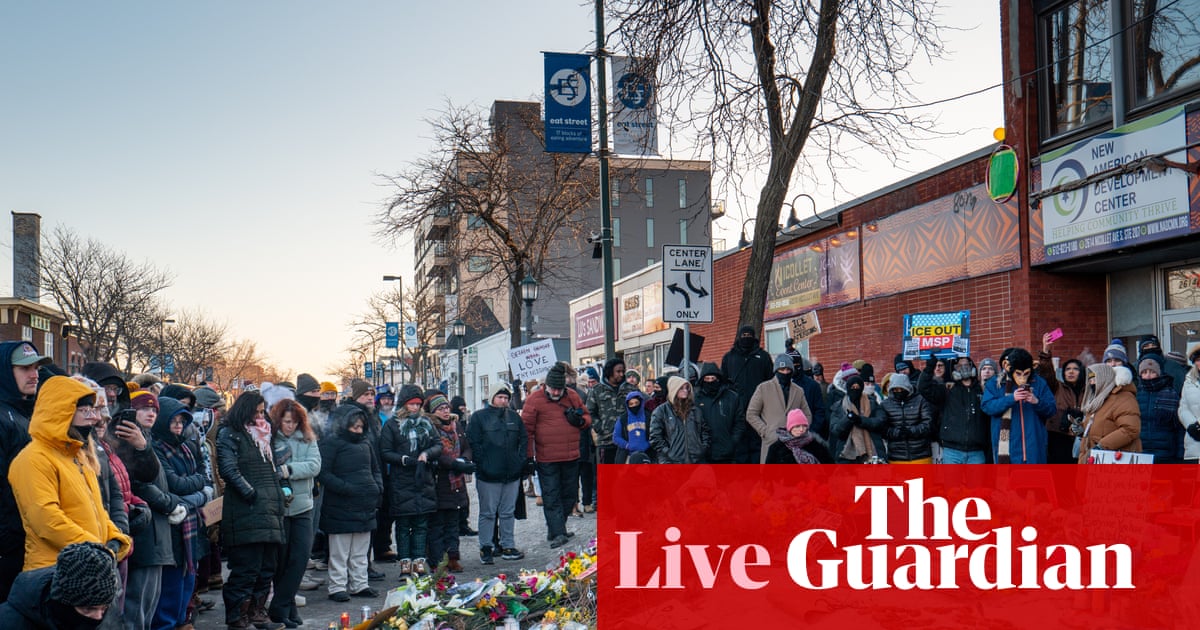
Minnesota leaders argue the federal operation has disrupted communities and undermined local governance, while the administration has defended tougher enforcement as necessary. The dispute has widened beyond Minnesota, drawing national attention as public demonstrations grew and lawmakers demanded clarity on how the operation was conducted and whether federal agents followed appropriate use-of-force and oversight protocols.
White House signals a possible reassessment
President Donald Trump said he would “look into” the situation and review the scope of the enforcement effort in Minnesota, according to reporting that also described the administration sending senior officials to the state. The move comes as the White House faces pressure not only from Democrats but also from some Republicans who have asked for investigations or testimony from federal agencies involved in immigration enforcement.
State officials and critics have pointed to video evidence and witness accounts that they say conflict with federal narratives about the shooting. As that evidence circulates, calls for an independent review have intensified. The political stakes are high: Minnesota’s governor has pushed for a reduction or withdrawal of federal agents and has framed the issue as one of public safety and constitutional limits.
Legal actions and congressional pressure build
The conflict has moved into the courts and Congress. Reporting described lawsuits and efforts to preserve evidence connected to the operation, as well as lawmakers seeking testimony from immigration and border agencies. At the same time, congressional leaders signaled fights over Homeland Security funding could become leverage, raising the possibility that the controversy could spill into broader budget negotiations.
Within Minnesota politics, the enforcement surge has also created fractures, including among Republicans, as some figures distance themselves from the crackdown in response to public outrage and concern over federal actions. The debate now centers on competing claims: supporters argue the operation enforces immigration law, while critics say it has swept too broadly and endangered residents, including U.S. citizens.
What to watch
Key next steps include whether federal officials scale down the deployment, whether investigators formally review the shooting, and how courts rule on evidence preservation and state-federal authority issues. Lawmakers’ demands for testimony may bring additional details into public view, while ongoing protests could keep pressure on decision-makers.
The political trajectory will likely depend on what investigations uncover about rules of engagement, the chain of command, and whether federal claims align with available video and witness testimony. As of January 26, 2026, the dispute remains active, with both legal proceedings and federal decision-making still in motion.