A deadly incident becomes a new flashpoint
A fatal shooting involving U.S. federal agents has become a national flashpoint, with local leaders, advocates, and protesters challenging official accounts and demanding accountability. The incident has fed broader anger about immigration enforcement tactics and has quickly moved beyond one city as solidarity demonstrations spread to other locations.
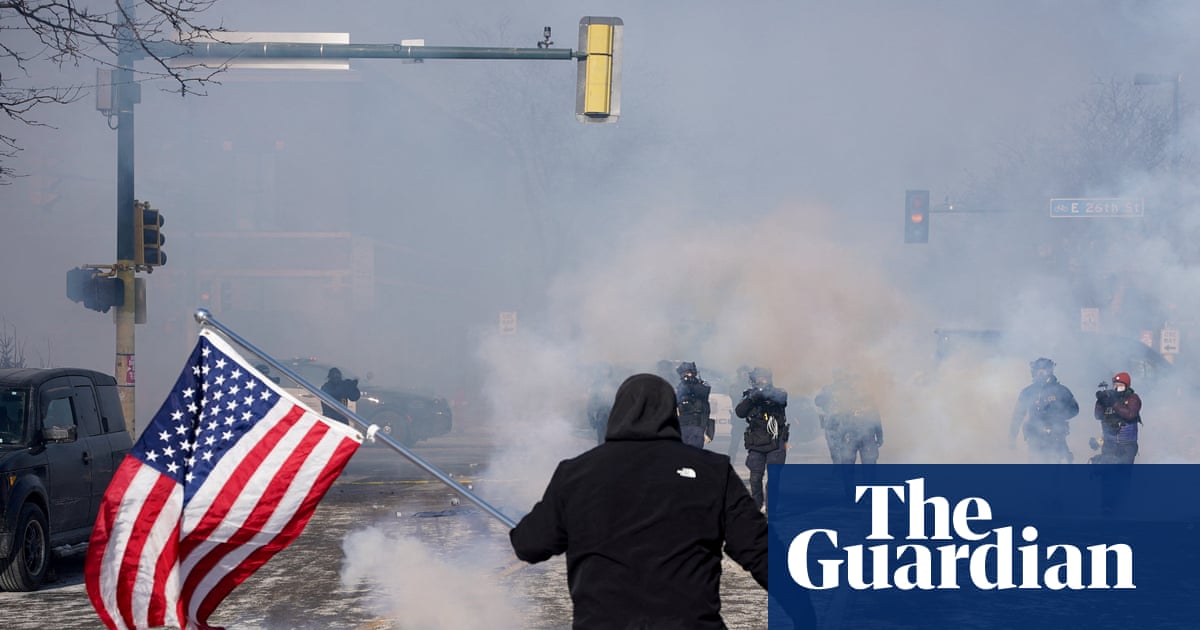
Public reaction has been intensified by the perception of conflicting narratives. When disputed facts emerge early—such as what a person was holding or whether they posed a threat—public trust can erode rapidly. In this case, the controversy helped propel the event into the national political conversation, with calls for investigations and policy constraints.
Protests expand and political pressure builds
Demonstrations have expanded beyond the immediate site of the shooting, reflecting a larger anti-enforcement movement that has been organizing around immigration policy and federal agency conduct. Protesters have demanded changes ranging from stricter oversight to more sweeping reforms, including calls to dramatically reshape—or abolish—Immigration and Customs Enforcement.
In Washington, some lawmakers have discussed using budget tools to force changes, including threatening to block or condition funding for the Department of Homeland Security. Such moves are politically high-stakes: they can attract supporters who want strong accountability, while opponents argue they could weaken enforcement capacity or public safety operations.
What happens next: investigations, documentation, and policy fights
As with many high-profile use-of-force cases, attention will likely focus on the availability and interpretation of video evidence, statements from witnesses, and internal reports. Official inquiries, civil litigation, and inspector general reviews can take time, but they often shape the eventual policy response and the public’s understanding of events.
Politically, this kind of incident can become a catalyst for hearings, legislative proposals, and new agency directives. It can also escalate tensions between federal authorities and local officials when city and state leaders demand a different enforcement posture than the one pursued by Washington.
Key issues being debated
- Rules of engagement and use-of-force standards for federal operations
- Transparency around incidents and timely release of factual information
- Local and state cooperation with federal immigration enforcement
- Budget constraints, conditions, and oversight mechanisms
In the near term, the pace of protests and the tone of federal and local responses will likely determine whether the situation stabilizes or becomes a longer-running confrontation between demonstrators, elected officials, and enforcement agencies.