A killing becomes a national political flashpoint
A fatal shooting by a federal agent in Minneapolis on January 25, 2026, escalated into a wider political confrontation over the role and tactics of federal immigration enforcement. The case drew immediate public attention because of competing accounts of what happened and because it followed other recent incidents involving federal officers.
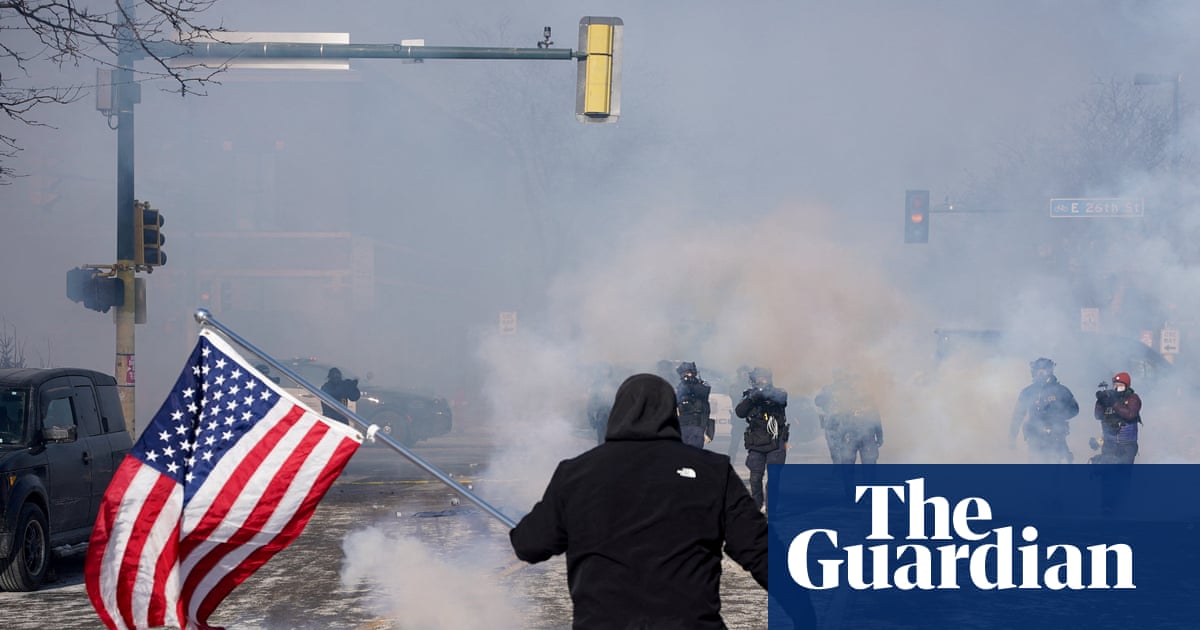
As demonstrations spread, national leaders quickly turned the episode into a proxy fight about public safety, accountability and whether Immigration and Customs Enforcement (ICE) should be reined in through legislation, new oversight or budget pressure. The result was a fast-moving feedback loop: street protests prompted sharper political rhetoric, which in turn intensified the public debate and drove fresh organizing.
Democrats float funding pressure; administration defends actions
In Washington, Democrats signaled they could use appropriations as leverage—threatening to block or condition Department of Homeland Security funding unless new constraints and transparency measures are adopted. The idea is not new in federal politics, but the Minneapolis shooting gave it new urgency and a clear narrative hook for lawmakers who argue that existing internal review processes are insufficient.
Administration allies rejected that approach, arguing that agents need operational latitude and that politicizing enforcement will discourage proactive action. They described the situation as a test of whether the federal government will back its personnel when operations encounter resistance or confusion on the ground.
The optics problem: crisis governance and public attention
The Minneapolis incident unfolded alongside other competing national priorities, adding to criticism that the White House was not meeting the moment. News coverage highlighted the contrast between the intensifying fallout from the shooting and the administration’s attempts to maintain a normal schedule of events, a tension that opponents used to argue the government’s focus was misplaced.
For supporters of stricter immigration enforcement, the protests were framed as an effort to intimidate federal officers and undermine border policy. For critics, the shooting was cited as another example of overreach and lack of accountability. Both interpretations reinforced an already polarized environment and made compromise harder.
What happens next
The immediate next steps are likely to include demands for release of additional evidence, continued demonstrations and potential congressional maneuvering tied to DHS funding. Whether the political system produces structural change will depend on how durable the public attention remains and whether lawmakers can translate outrage into legislative language that can pass both chambers.