A fatal shooting by U.S. federal agents in Minneapolis has set off renewed protests and a political fight over federal immigration enforcement and law-enforcement accountability. The victim, 37-year-old intensive care nurse Alex Pretti, was killed on January 24, 2026, in an incident that unfolded during demonstrations tied to immigration operations in the city.
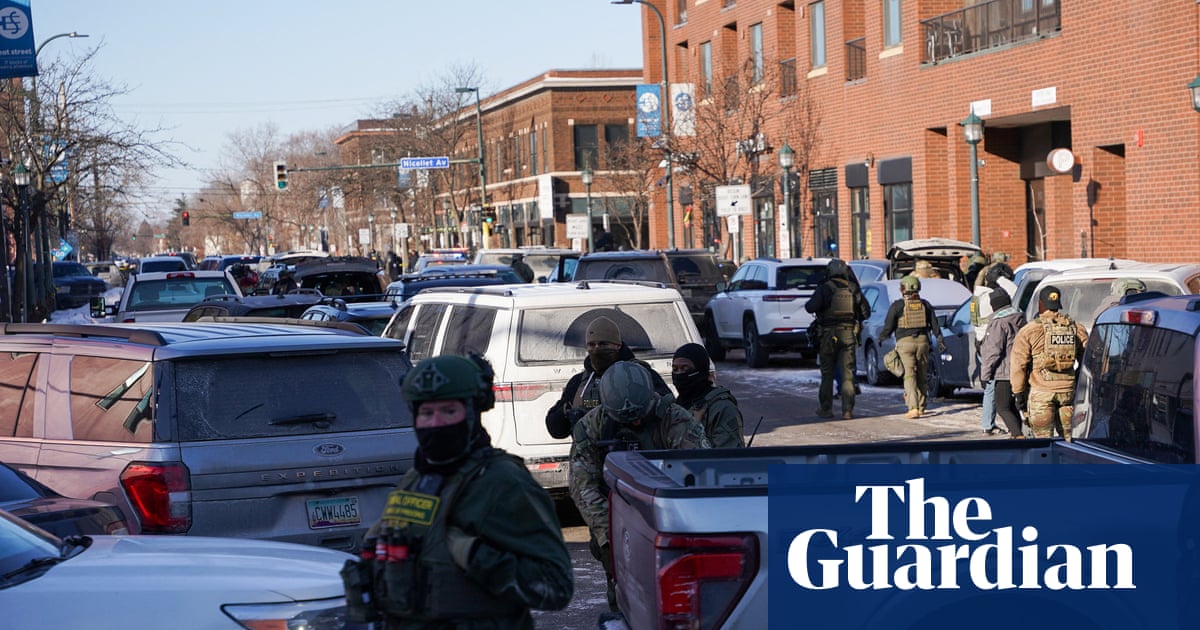
According to reporting and video descriptions, Pretti was recording federal officers with his phone when the confrontation escalated. Multiple accounts described agents using pepper spray and tackling him before gunfire erupted. Federal officials portrayed the event as a defensive shooting connected to an alleged weapon threat; however, video evidence cited in coverage raised questions about that narrative and fueled calls for an independent accounting of what happened.
The political impact is amplified by context: this was described as the second fatal shooting by federal immigration agents in Minneapolis in a short span, reinforcing local concerns that aggressive enforcement tactics are colliding with civil liberties and public safety. Local and state officials publicly condemned the killing, with some urging calm while also demanding a clearer federal explanation and the preservation and release of relevant evidence.
Demonstrations expanded as community groups and activists argued the shooting reflects broader issues in immigration enforcement, including the visibility of federal operations in cities and the accountability mechanisms available when lethal force is used. Protesters called for policy changes and, in some cases, for ending or restructuring agencies involved in immigration enforcement.
In the immediate aftermath, civic leaders also faced practical concerns: managing crowd safety, preventing escalation, and ensuring that any investigative steps—such as evidence retention and witness interviews—could proceed without interference. Coverage noted friction between local officials seeking details and federal agencies controlling key materials and communications.
For many residents, the dispute is not only about one tragic encounter but about competing views of public order. Supporters of tough enforcement argue federal officers must be able to operate safely and decisively, while critics say the threshold for force has been set too low and oversight is too weak when operations occur amid protests and public recording.
The case is likely to remain politically charged as more video, witness accounts, and official reports emerge. Whether the outcome is policy change, disciplinary action, litigation, or a mix of all three, the Minneapolis shooting has become a flashpoint in the national debate over immigration enforcement, policing, and the limits of federal power in domestic operations.