A political confrontation over enforcement and accountability
The fatal shooting of Alex Pretti in Minneapolis is rapidly shifting from a local tragedy into a national political flashpoint. Reporting on January 25, 2026 described mounting anger after what was presented as the second deadly shooting by federal agents in a short period. The incident has fueled protests and has intensified demands for a hard look at how immigration enforcement is being conducted during federal operations.
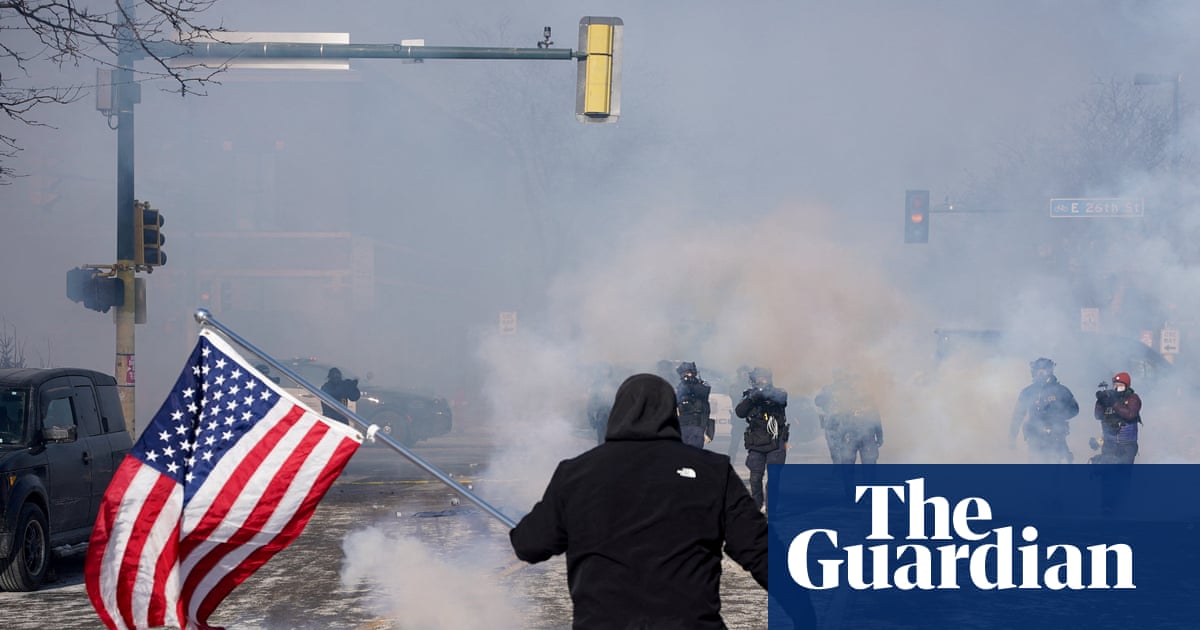
In Washington, the immediate political question is not only whether investigators will release more verified details, but also how Congress will respond. Democratic leaders have signaled that they may attempt to use the federal budget process—specifically Department of Homeland Security funding—to force changes in policy, oversight, and reporting practices related to immigration operations.
How funding pressure works
Threats to block or condition DHS funding are a familiar congressional tool: lawmakers can attach requirements for transparency, mandate independent reviews, or limit how funds can be used. In practice, these fights often become high-stakes negotiations, because DHS funding affects a wide range of functions beyond immigration enforcement. That means even narrowly targeted accountability demands can collide with broader concerns about continuity of government services.
The political risk is that a funding standoff could broaden the conflict and harden positions. Advocates pressing for significant structural change in immigration enforcement may see leverage in budget deadlines, while opponents argue such tactics could jeopardize public safety and operational readiness. Either way, the debate is likely to sharpen lines between lawmakers seeking aggressive oversight and those backing the administration’s approach.
The role of video and disputed accounts
The controversy has been amplified by the presence of video that was described as contradicting the official narrative. When visual evidence emerges quickly, the political cycle accelerates: officials face immediate demands to explain discrepancies, and public trust can erode before formal investigative findings are released. That dynamic can pressure agencies into faster disclosures, but it can also increase misinformation and speculation.
Local leaders in Minnesota publicly condemned the incident, and protests spread beyond Minneapolis. For many participants, the issue is no longer confined to a single case; it is framed as evidence of a broader enforcement posture and the perceived lack of meaningful consequences when lethal force is used.
What comes next in Congress
Over the next several weeks, watch for three developments: (1) whether lawmakers demand hearings or seek testimony from agency officials, (2) whether budget language is introduced that conditions DHS/ICE funding on changes in policy or reporting, and (3) whether internal investigations or external reviews produce interim findings that alter the political narrative. If protests persist and additional evidence is released, the push to translate public anger into legislative action is likely to intensify.