The Trump administration is facing intensifying scrutiny after the fatal shootings of U.S. citizens in Minneapolis involving federal immigration agents, an episode that has sparked protests, renewed calls for accountability, and a rapid escalation in congressional brinkmanship. As anger mounts in Minnesota and nationally, the White House has signaled it may scale back the surge of federal personnel in the state, even as administration allies argue aggressive enforcement is necessary to uphold immigration law.
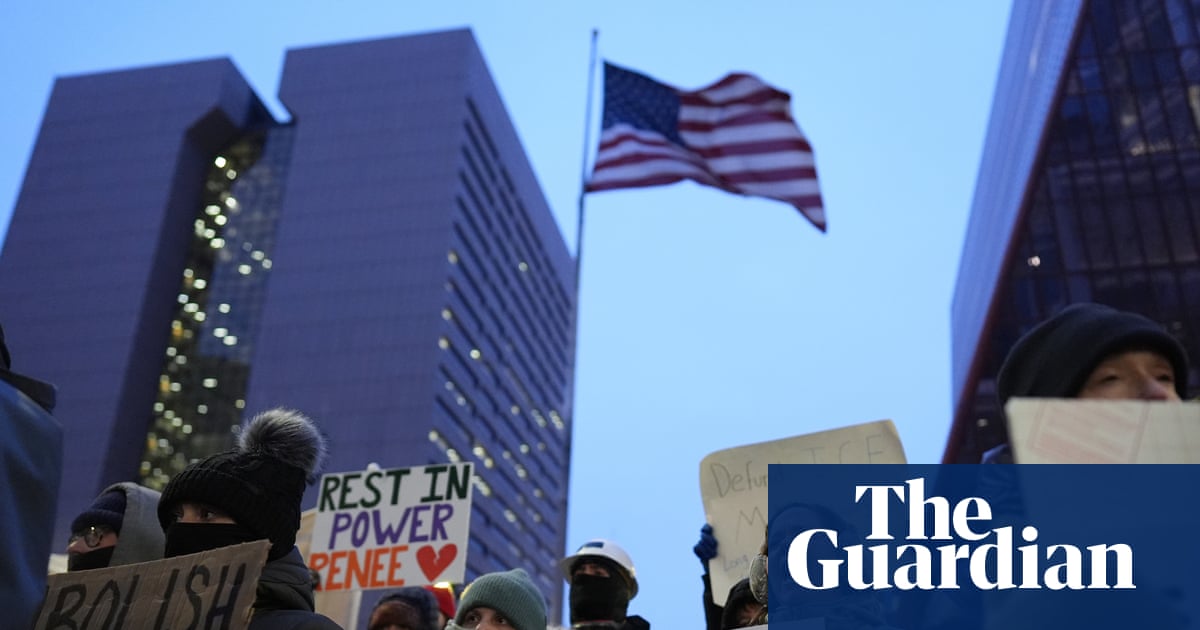
The controversy is colliding with must-pass funding deadlines in Washington. Senate Democrats are warning they will not provide the votes needed to move forward on a government funding package if it includes Department of Homeland Security money without meaningful constraints on Immigration and Customs Enforcement. With Republicans needing some bipartisan support in the Senate, the standoff raises the risk of a partial shutdown if no deal is reached before the end-of-week deadline.
Progressive lawmakers are pressing for specific guardrails, such as banning face coverings for agents, requiring independent investigations when federal agents kill civilians, and limiting operations in cities like Minneapolis. They argue Congress cannot keep funding an agency they say is operating with inadequate oversight and accountability. Republicans counter that DHS funding is central to national security and border enforcement and say Democrats are politicizing the issue.
In Minnesota, local leaders are demanding answers and clearer rules for federal operations after the shootings, and the political fallout is widening. The incident has become a test of how far lawmakers will go to apply fiscal pressure on the administration’s enforcement agenda, and whether the White House’s apparent willingness to reduce the Minnesota footprint is a tactical retreat or a broader change of course.
Even if a shutdown is avoided, the dispute is likely to shape the next phase of immigration enforcement politics: Democrats are looking to translate public outrage into binding policy constraints, while the administration is attempting to manage a public-relations crisis without surrendering the core of its deportation strategy.