A storm stretching from the South to New England
A major winter storm sweeping across large sections of the United States has delivered a dangerous mix of heavy snow, sleet and freezing rain, creating what forecasters described as prolonged hazards that won’t end when the last flakes stop falling. From the Lower Mississippi Valley and the Southeast to the Mid-Atlantic and New England, the system has produced treacherous roads, downed trees, and icing that can load power lines and snap them even after precipitation moves out.
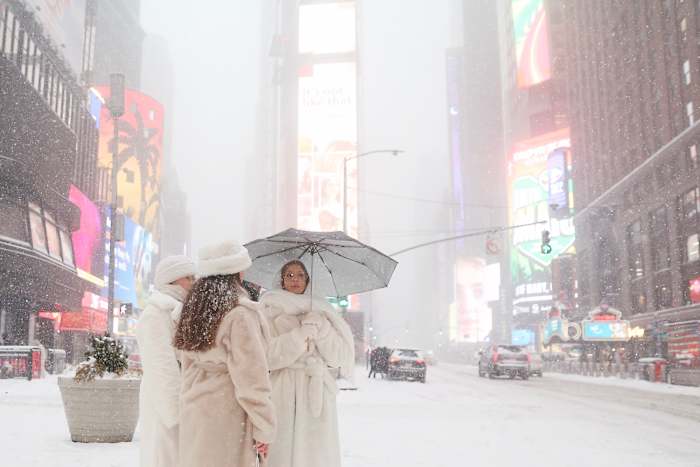
Emergency managers warned that the most damaging impacts can arrive in waves: first during the storm itself, then again as temperatures plunge and ice remains locked onto infrastructure. In many areas, freezing rain accumulated on lines and branches, raising the odds of additional outages when winds pick up or when ice-laden trees continue to fail.
Power outages and flight disruptions
Power outages climbed into the hundreds of thousands across multiple states as the storm intensified, with particularly severe problems reported in parts of the South where ice rather than snow was the dominant threat. Utilities and state agencies urged residents to prepare for multi-day restoration efforts in the hardest-hit pockets, noting that road conditions and continued freezing temperatures can slow repair crews and complicate access to damaged equipment.
Air travel has also been heavily affected. Major hubs and regional airports saw large numbers of cancellations and delays as airlines repositioned aircraft and crews around the storm’s footprint. Officials cautioned that disruptions could ripple beyond the storm zone because aircraft and crew schedules depend on the entire national network.
Federal and state response actions
Federal and state officials have moved resources ahead of the system, including staging personnel and equipment where ice and extreme cold were forecast to persist. Emergency declarations in multiple states have helped unlock response tools, while transportation agencies emphasized that even well-treated roads can become hazardous when freezing rain overwhelms salt and brine applications.
Authorities also stressed basic safety steps: avoid unnecessary travel, keep phones charged, have backup heat plans, and check on neighbors who may be at higher risk from cold exposure—especially if outages extend overnight or longer. Shelters and warming centers have been opened in some communities, and local officials urged residents to follow verified municipal and utility updates rather than rumors circulating online.