A sprawling winter storm barreled across the United States on Monday, January 26, 2026, extending a stretch of dangerous snow, ice and bitter cold that has already killed at least 15 people and left hundreds of thousands without power. The impacts have rippled from the South—where freezing rain turned roads into skating rinks—to the Northeast, where heavy snow clogged highways and slowed transit. With temperatures plunging and wind chills turning life-threatening, officials in multiple states urged residents to avoid unnecessary travel and to check on vulnerable neighbors.
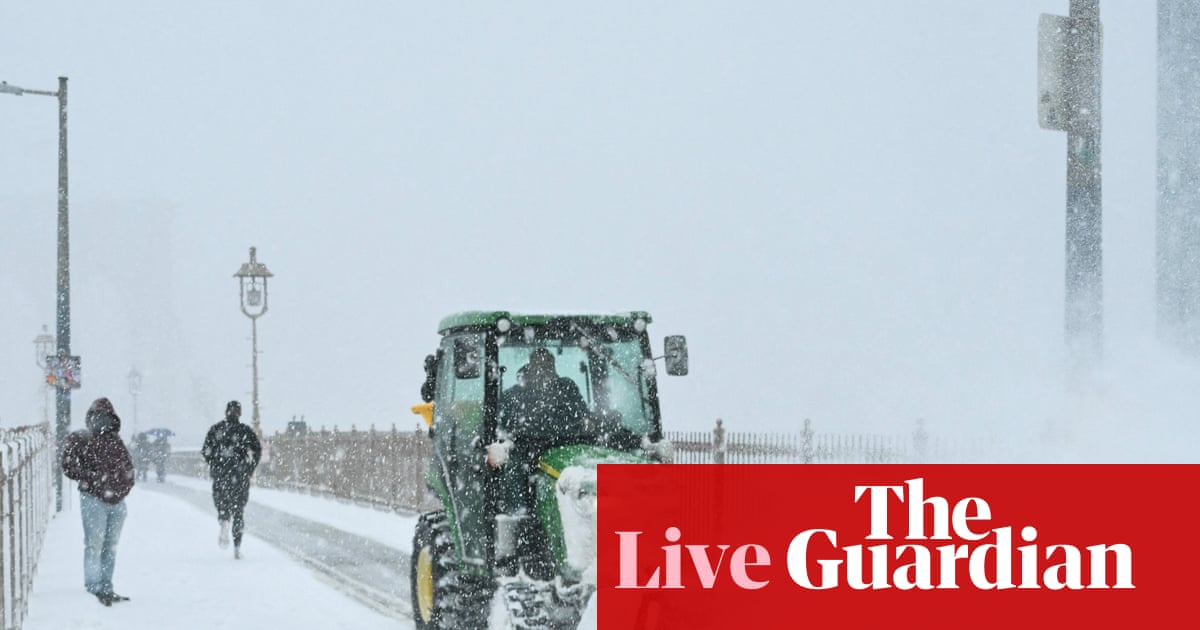
Transportation was among the most visible points of failure. Airlines canceled thousands of flights across the weekend and into Monday, stranding travelers as airports struggled with de-icing queues, crew positioning and knock-on delays. Federal aviation officials warned that normal operations may not fully stabilize until midweek. At the same time, highway authorities reported numerous crashes and closures, while local agencies opened warming centers for people without heat as the cold intensified.
The storm’s toll also included widespread power outages, especially in parts of the South where ice accumulation snapped tree limbs and damaged power lines. Utility crews worked to restore electricity as temperatures hovered well below freezing, raising concerns about hypothermia and carbon monoxide poisoning when residents used unsafe heating methods. Emergency management agencies repeated safety guidance on generators, space heaters and winter driving as the system moved east.
The scope of disruption underscores how quickly extreme winter weather can cascade into public-safety and economic problems. Beyond flight cancellations and school closures, the storm has strained hospitals, complicated supply chains and increased demand for emergency sheltering. Forecasters said some regions would see improvement as the system exits, but warned that refreezing and lingering ice could continue to create hazards even after snowfall ends.
For travelers, the message remained consistent: monitor airline alerts, rebook early if possible and expect delays. For everyone else, officials emphasized staying off icy roads, dressing in layers, and keeping emergency supplies on hand while utilities and municipalities work through the aftermath.