A deadly, wide-reaching winter storm
A major winter storm stretching from the South to the Northeast pushed temperatures and wind chills into dangerous territory and coated roads with snow and ice. Authorities reported multiple deaths tied to the storm, including cases linked to hypothermia and weather-related accidents. The dangerous cold and ice also triggered emergency warnings and travel advisories across large parts of the country.
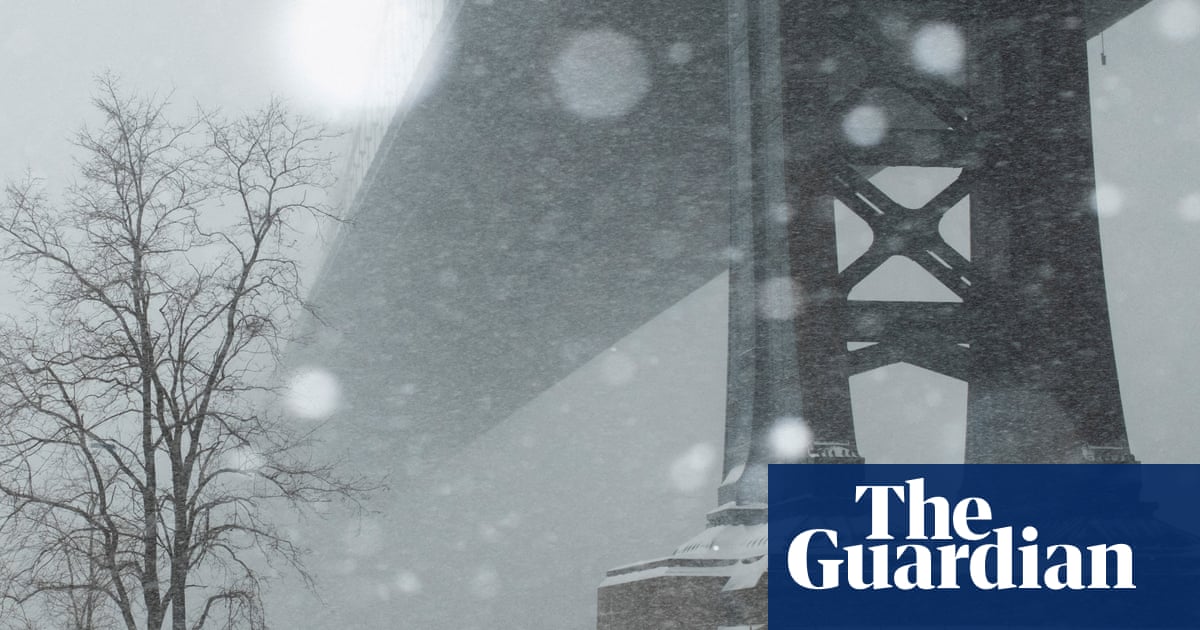
Officials said the storm’s impacts are not limited to a single region: heavy snow fell in parts of the Mid-Atlantic and New England, while ice and snow also caused problems in southern states that are less accustomed to winter hazards. With widespread disruption, local governments and emergency services urged residents to stay off roads unless necessary and to check on neighbors at higher risk from the cold.
Power outages and strain on daily life
Hundreds of thousands of households lost electricity as snow and ice weighed down lines and damaged trees. Outages were reported across several states, leaving many residents facing the dangerous combination of freezing temperatures and limited home heating. Utility crews worked to restore service, but officials warned that restoration can take time when weather conditions remain severe.
Cities and school districts shifted schedules or moved to remote operations. Some public services and clinics closed or reduced hours due to hazardous road conditions. Municipal agencies also asked residents to report emergencies first and be patient with non-urgent requests while crews focused on storm response and road clearing.
Travel chaos: thousands of flights canceled
Air travel was heavily disrupted, with large numbers of flight cancellations and delays reported through the weekend and into Monday. Airlines and airports warned travelers to verify itineraries before leaving for terminals as conditions in key hubs worsened. Road travel also became hazardous due to low visibility, accumulating snow, and ice that reduced traction on highways and local streets.
Emergency managers emphasized that even short trips can become life-threatening if vehicles slide off roads or if drivers become stranded in subfreezing temperatures. Officials urged drivers to carry emergency kits, keep mobile phones charged, and avoid unnecessary travel during peak snowfall and icing.
What comes next
Forecasters warned that the cold could persist beyond the initial storm system, extending the period of risk for hypothermia, frostbite, and carbon monoxide exposure from unsafe heating. Authorities recommended following local alerts, using space heaters safely, and checking in on people experiencing homelessness and older adults who may have trouble keeping warm.
With conditions still evolving, emergency agencies said the best steps are to limit travel, keep supplies on hand, and monitor local guidance on closures, warming centers, and restoration timelines. The storm’s full toll will become clearer as states continue to assess road conditions, outage repairs, and incident reports over the coming days.