A coast-to-coast disruption driven by ice, snow, and dangerous travel
A major winter storm continued to snarl daily life across wide stretches of the United States on Monday, January 26, 2026, with icy roads, heavy snow, and pockets of freezing rain prompting school closures, remote-learning shifts, and emergency warnings across multiple regions. The system’s reach—spanning from parts of the South and Midwest toward the Northeast—left many communities facing difficult commutes and hazardous conditions, while officials repeated the same message: limit travel where possible and prioritize safety.
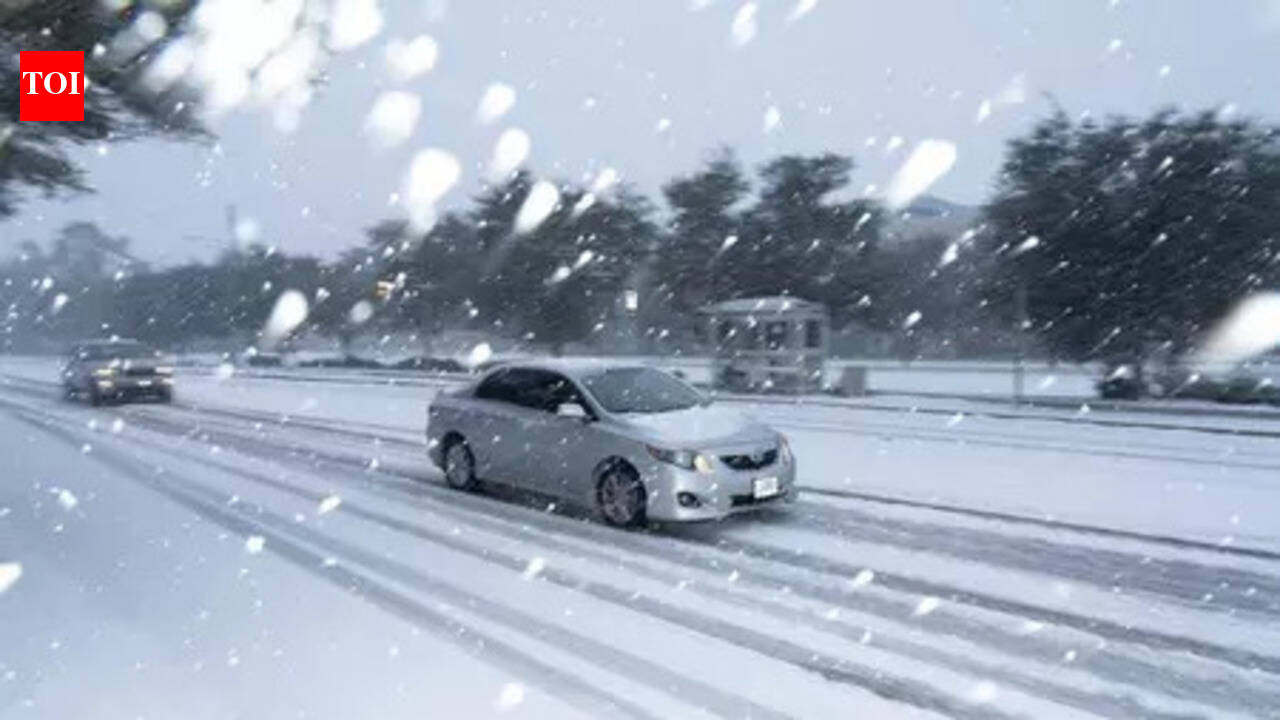
School districts and universities in several states announced closures or delayed openings, citing uncertain road conditions and concerns about student transportation. In areas where the heaviest precipitation coincided with the morning rush, local agencies warned that even treated roads could quickly refreeze. For families, the storm created a familiar mix of last-minute schedule changes, child-care scrambling, and shifting plans as administrators monitored updated forecasts.
Air travel and power outages add to the impact
The storm also spilled into the national travel network. Airport operations in multiple metros were impacted by a combination of runway conditions, de-icing delays, and ripple effects from earlier cancellations. Travelers reported long rebooking lines and crowded terminals as airlines attempted to restore schedules while also anticipating additional weather-related disruptions.
In some communities, ice accumulation and heavy, wet snow increased the risk of downed branches and power lines. Utility crews worked to restore service where outages occurred, but officials cautioned that restoration timelines could change if gusty winds and renewed icing made repairs unsafe. Emergency management agencies urged residents to charge devices, prepare for potential prolonged outages, and keep a basic supply of food and water on hand.
Officials emphasize caution as conditions evolve
Forecasters warned that impacts could vary significantly by location, with some areas experiencing mostly snow while others cycled through sleet and freezing rain—often the most dangerous combination for roads and infrastructure. Transportation departments reminded drivers that bridges and overpasses tend to freeze first, and that visibility can deteriorate quickly in heavier bands of snowfall.
As the storm progressed, city leaders and school officials said they would keep assessing local conditions and issue updates as needed. For residents, the immediate priorities remained consistent: minimize travel, watch for rapidly changing advisories, and check in on neighbors who may need help with heat, mobility, or supplies.