Snow in the Northeast, ice misery in the South
A sprawling winter storm continued to disrupt the United States on Monday, January 26, 2026, with the Northeast getting another round of snow while many Southern communities remained stuck in an ice-and-outage emergency. The system has stretched impacts across a huge swath of the country, turning roads treacherous, closing schools, and straining emergency services as temperatures plunged.
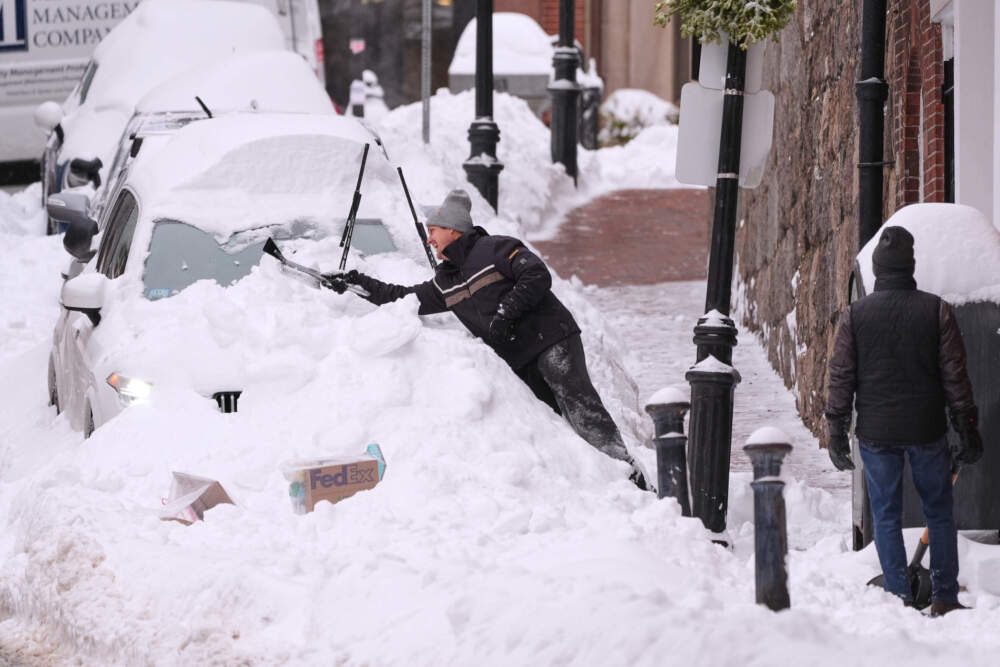
In the Northeast, fresh snowfall from the storm’s trailing edge added to already deep totals, complicating commutes and pushing many districts and campuses to cancel classes or switch to remote schedules. In the South, the bigger problem was not new snow but the wreckage left behind by freezing rain—tree limbs and power lines down, blocked streets, and residents forced to seek warming centers as electricity restoration dragged on.
Deaths rise as cold intensifies
Officials said at least 25 deaths were linked to the storm across multiple states, including incidents tied to dangerous driving conditions, outdoor exposure, and other weather-related hazards. The severe cold that followed the storm amplified risks, especially for people without heat or those attempting cleanup in subzero wind chills.
Local and state agencies urged residents to limit travel and to check on vulnerable neighbors, particularly in places where outages persisted and temperatures fell sharply overnight. Emergency shelters and distribution sites expanded in some areas, with public works crews racing to clear streets and remove fallen debris.
Power outages and flight disruptions ripple nationwide
Power restoration remained the main challenge in the South, where ice weighed down infrastructure and slowed repair work. Hundreds of thousands of customers were still without electricity as of Monday, according to outage tracking cited in reporting, and some universities and local governments extended closures because roadways and sidewalks stayed coated in ice.
Air travel also suffered. Airlines faced thousands of cancellations and delays nationwide as airports worked through backlogs created by the storm’s peak. The disruption spilled into the new workweek, affecting business travel, family trips, and shipping schedules, with carriers attempting to reposition crews and aircraft after weather-related stoppages.
What happens next
Forecasts suggested the storm’s main snow threat would ease, but the cold air mass behind it would keep conditions hazardous—especially for cleanup operations, vulnerable populations, and regions still waiting for electricity. Officials emphasized patience and preparation: keep emergency supplies on hand, avoid downed lines, and plan for continued delays even as skies clear.