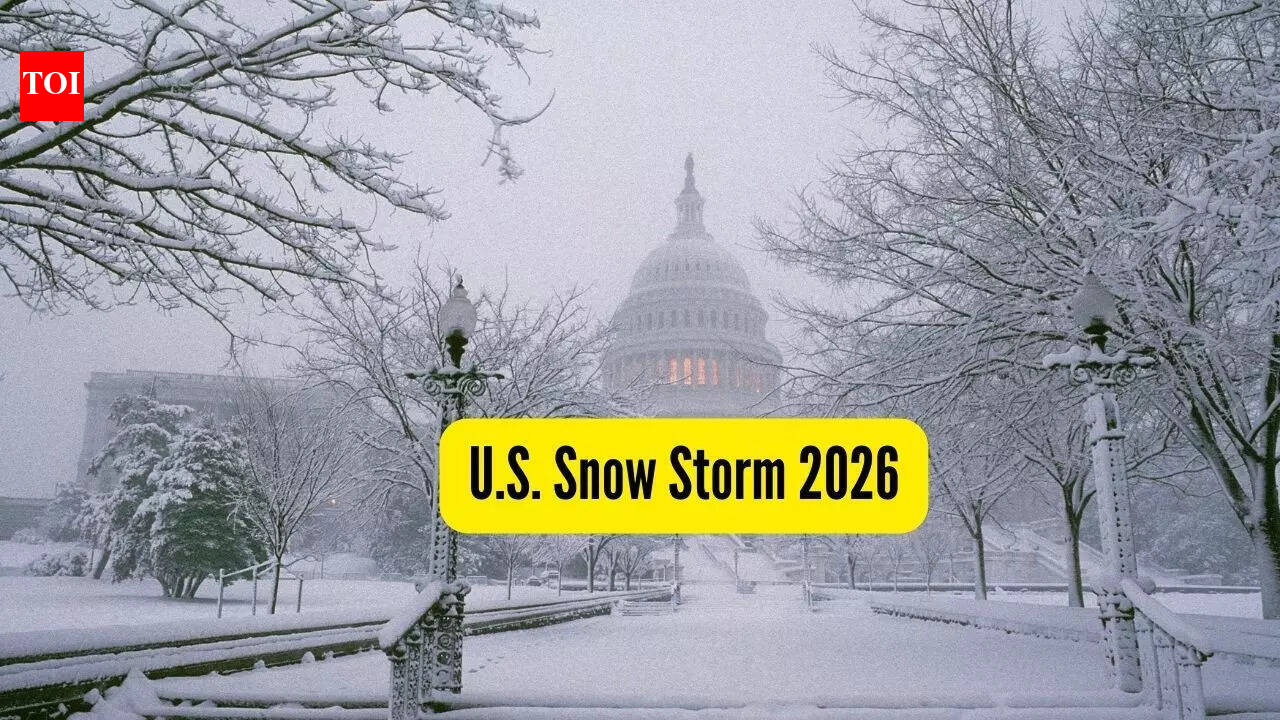
A major winter storm sweeping across the United States is disrupting travel, straining local emergency services and forcing officials in multiple states to declare emergencies as snow and ice move from the Plains toward the East Coast. The system—widely referred to as Winter Storm Fern—has brought forecasts of heavy snow, hazardous icing and a surge of Arctic air that has dropped temperatures sharply in many areas.
Air travel has been among the first sectors to feel the impact. Airlines have issued waves of cancellations and delays as airports confront changing conditions, runway de-icing backlogs and staffing complications tied to the storm. Travelers have been urged to check flight status frequently, consider rebooking early and prepare for extended waits as carriers reposition aircraft and crews.
State leaders have also been preparing for secondary effects that often outlast the snowfall itself, including treacherous roads, power outages from ice-laden lines and heightened risk for vulnerable residents in extreme cold. Emergency management agencies have emphasized practical steps: limit unnecessary driving, keep phones charged, stock basic supplies and have a plan for warming centers if electricity fails.
The storm’s footprint is unusually large, with alerts and advisories spanning a wide corridor and affecting a substantial portion of the U.S. population. Forecasters have warned that conditions can change quickly, particularly in transition zones where freezing rain can convert to snow or vice versa—shifting the risks from plowing operations to ice-related infrastructure damage.
Officials have also highlighted the danger of overconfidence once precipitation ends. Refreezing after sunset, drifting snow in high-wind areas and reduced visibility can create new hazards for drivers and first responders. Utilities and transportation departments are staging crews and equipment, but response times can be slowed when multiple regions are hit simultaneously.
For households, public safety guidance has centered on avoiding carbon monoxide exposure from improper heating, using generators outdoors only, and checking on neighbors who may have limited mobility. Pet owners have been advised to bring animals indoors during the coldest periods, and drivers have been encouraged to keep winter kits in vehicles in case of breakdowns.
Meteorologists expect the storm to continue evolving through the weekend into early week, with the most severe impacts varying by region. As the system moves east, officials are stressing that the combination of snow, ice and cold can be more dangerous than any single element on its own—especially for travel and electrical infrastructure.