A deadly encounter in Minneapolis has become a flashpoint in a rapidly growing wave of demonstrations against federal immigration enforcement. On January 24, 2026, Alex Pretti, a 37-year-old intensive care nurse, was shot and killed by U.S. Border Patrol agents during an altercation that witnesses say escalated quickly. The incident, the second fatal shooting by federal immigration agents in the city this month, sparked renewed outrage and brought thousands of people into the streets as video and eyewitness accounts circulated widely.
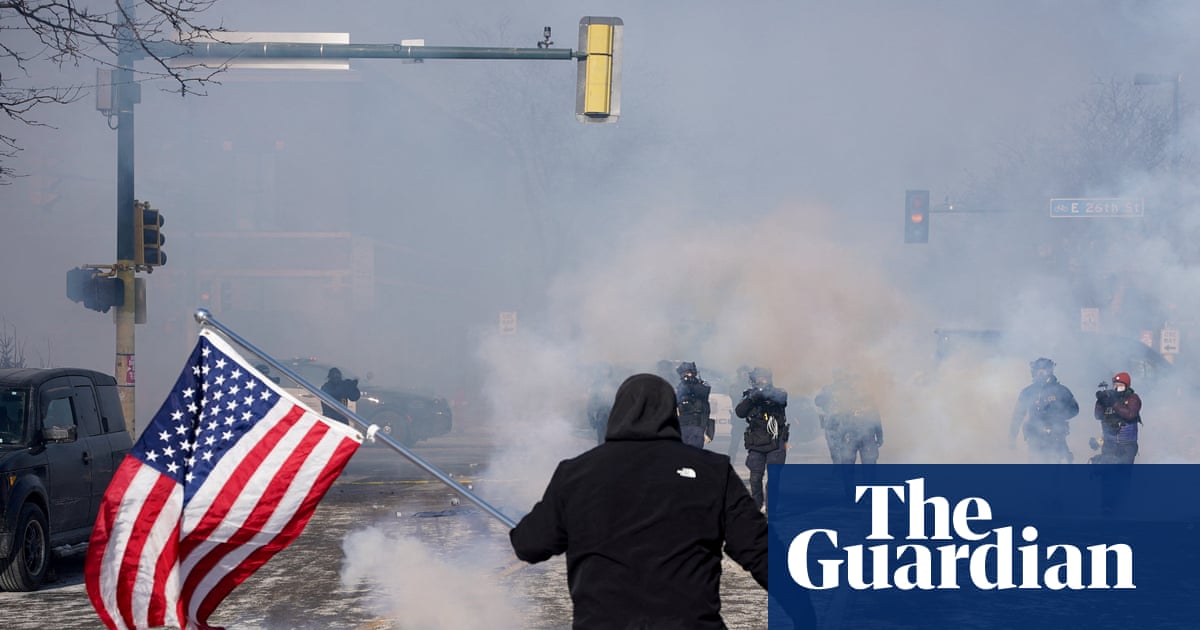
Protests were reported across the country over the weekend, with demonstrators calling for accountability, limits on enforcement operations, and in some cases the abolition of Immigration and Customs Enforcement. In Minneapolis, mourners gathered at vigils while crowds marched downtown and near federal buildings, chanting for justice for Pretti and for earlier victims of federal operations. Similar solidarity actions appeared in other major cities as local activists framed the shooting as part of a broader pattern of aggressive tactics and inadequate oversight.
The political fallout has been immediate. Senate Democrats, citing both the Minneapolis killing and broader concerns about federal immigration enforcement, signaled that they could use upcoming funding negotiations to force changes, including threats to block Department of Homeland Security funding absent reforms. Local and state officials in Minnesota publicly condemned the shooting, and critics questioned federal claims about the threat level posed by the victim, arguing that publicly available footage undercuts official statements.
The unrest comes as the Trump administration faces compounding pressures from multiple fronts, including public scrutiny of immigration operations and operational disruptions in parts of the country caused by a major winter storm. The combination of protests, policy standoffs, and weather-related disruptions has created an unusually tense political environment in late January, with activists promising further demonstrations and lawmakers warning of a high-stakes budget confrontation.
While federal officials have defended agents’ actions, the rapid spread of protests suggests the Minneapolis shooting has struck a national nerve. Community leaders and civil rights advocates are demanding transparent investigations, release of all relevant body-camera and surveillance footage, and clear standards governing the use of deadly force during enforcement operations. Organizers also say they are planning continued mobilization in the days ahead, framing their demands as both a local justice issue and a national debate over immigration policy and enforcement.