Two fast-moving national stories collide
On Sunday, January 25, 2026, U.S. news coverage was dominated by two developments unfolding at once: anger over a second fatal shooting by federal immigration-related officers in a matter of weeks, and a high-impact winter storm affecting large swaths of the country. The combination—public safety controversies and severe weather—set the tone for a tense weekend, with protests, politics, and disruptions competing for attention.
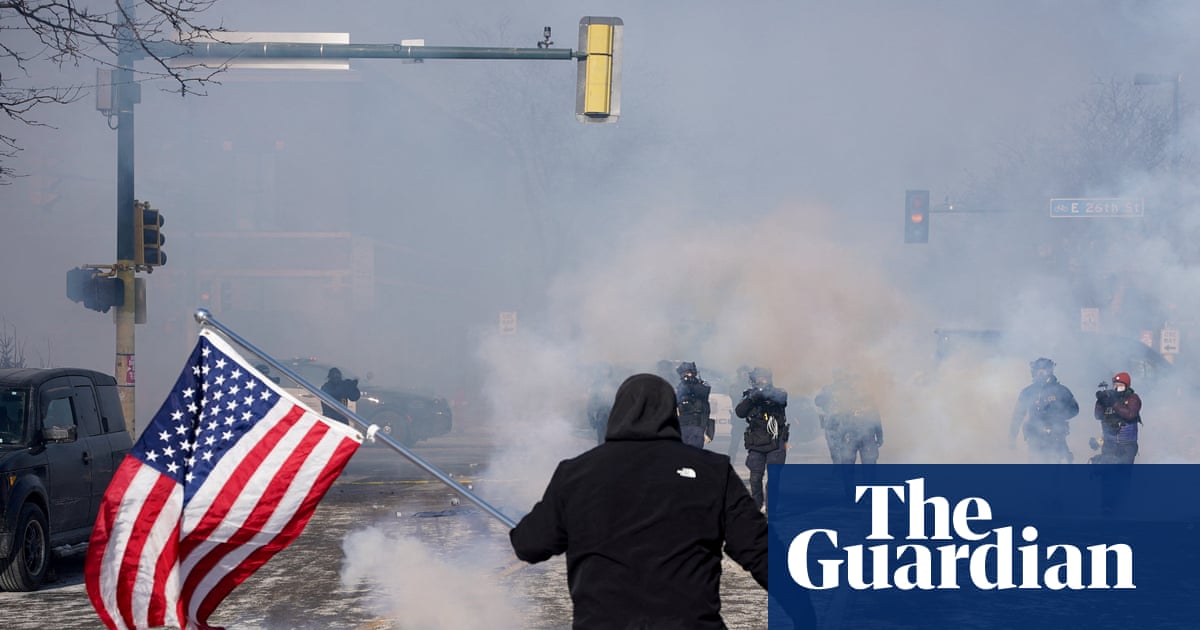
The flashpoint in the enforcement debate is the killing of Alex Pretti, a 37-year-old nurse in Minneapolis. The incident quickly became part of a broader narrative about the escalation of federal immigration operations, the use of force during street-level encounters, and demands for accountability. As demonstrations spread, political leaders faced renewed pressure to clarify oversight, funding, and operational rules for federal agencies.
Protests widen after the Minneapolis shooting
According to reporting, video from the Minneapolis incident appeared to contradict claims that Pretti posed a deadly threat, intensifying calls for an investigation and leading to larger demonstrations in multiple cities. Protesters and advocates argue the shooting reflects a systemic pattern in federal enforcement and are urging significant reforms—some demanding the abolition or defunding of agencies involved. Elected officials in Minnesota publicly condemned the killing, and Democratic leaders in Washington signaled they may use federal funding as leverage in oversight disputes.
The episode is also being interpreted in the context of a second fatal shooting involving federal agents within a short span, which has heightened public scrutiny and increased the political stakes. Activists say the rapid sequence of incidents has accelerated organizing, leading to more coordinated protests and, in some places, workplace or community actions tied to opposition to immigration enforcement tactics.
A winter storm adds disruption nationwide
Meanwhile, a major winter storm system moved across the United States, producing widespread travel disruption and creating additional strain for cities already dealing with demonstrations. Reports described a vast storm footprint affecting huge numbers of residents, with impacts ranging from snow and ice to power outages. Local authorities in many areas urged caution, and the storm’s scope became another headline driver throughout the weekend.
The overlap of protests and severe weather complicated logistics for public services and transportation. Even where demonstrations remained peaceful, hazardous conditions and disrupted transit made crowd management and emergency response more challenging. With the storm continuing to evolve, officials and residents prepared for additional impacts beyond the weekend.
What happens next
In the coming days, key questions include whether investigators release more verified details about the Minneapolis encounter, whether any federal policy changes are announced, and how Congress responds if lawmakers escalate funding threats. Separately, forecasters and emergency management agencies will remain focused on storm impacts—particularly outages and dangerous road conditions—as the system continues its path. Together, these stories are shaping a volatile January moment in U.S. public life.