A major winter storm sweeping across the eastern two-thirds of the United States has triggered widespread power outages, grounded air travel and pushed emergency officials to warn that the most dangerous impacts could stretch into the coming week. Forecasters described the system as unusually expansive and long-lasting, with heavy ice in parts of the South and snow and sleet farther north, alongside wind chills capable of turning routine problems into life-threatening emergencies.
On Sunday morning, utilities across multiple states reported hundreds of thousands of customers without electricity as ice and high demand strained distribution systems. The heaviest outage clusters were reported in states including Mississippi and Texas, with additional disruptions in Louisiana, Tennessee and other areas as conditions deteriorated. The Department of Homeland Security said a broad swath of states had already declared weather emergencies, reflecting both the scale of expected impacts and the need to pre-position resources.
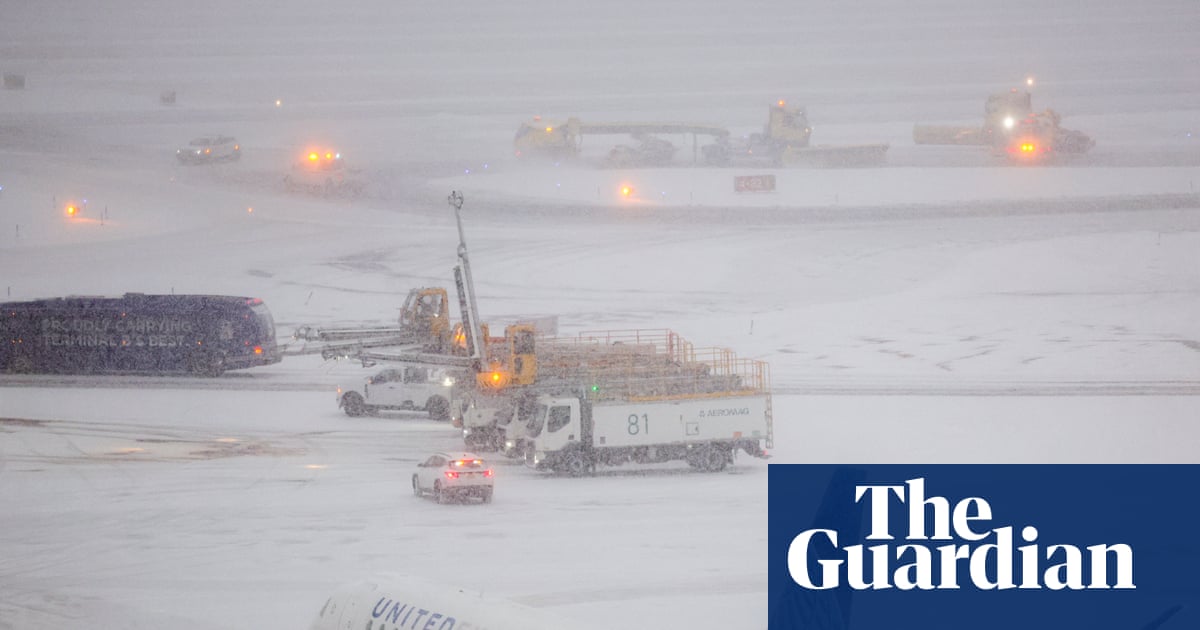
Air travel was hit hard. Flight-tracking data showed thousands of U.S. flights canceled across the weekend and into Sunday, with airlines warning travelers to expect abrupt schedule changes as de-icing capacity, crew positioning and airport operations were challenged by snow and freezing rain. Major carriers adjusted schedules and shifted staff and equipment to support airports expected to take the brunt of the storm, including hubs in the Southeast and along the East Coast.
Energy officials also took unusual steps to limit the risk of cascading failures. The Department of Energy issued emergency orders to allow grid operators to run specified resources, aiming to keep electricity flowing as demand surged. In Texas, emergency actions were intended to broaden available generation options and reduce the chances of rolling blackouts, while the mid-Atlantic grid operator was granted additional flexibility during the storm period.
Meteorologists warned that the storm’s ice threat in the Southeast could produce crippling conditions, including downed trees and power lines, while colder air behind the system could prolong the recovery. Officials urged residents to avoid travel, stock up on essentials and plan for potential extended outages, particularly in communities where ice accumulation can slow restoration work and make road access difficult for repair crews.
With the storm expected to keep sweeping across large parts of the country, emergency managers emphasized that the situation could evolve rapidly: snowfall forecasts, ice totals and localized wind impacts can shift as bands of precipitation move. Residents were advised to monitor local alerts, limit driving when warnings are active, and check on neighbors who may be vulnerable to cold exposure, especially older adults and those without reliable heat.