A storm with multiple hazards, from ice to heavy snow
A major winter storm is sweeping across large portions of the United States, bringing a mix of heavy snow, sleet, and freezing rain that is expected to disrupt travel and strain power systems for days. Forecasters and emergency managers have warned that the combination of significant ice accumulation and sharp temperature drops after the system passes could create unusually dangerous conditions, slowing recovery and keeping roads treacherous even after precipitation ends.
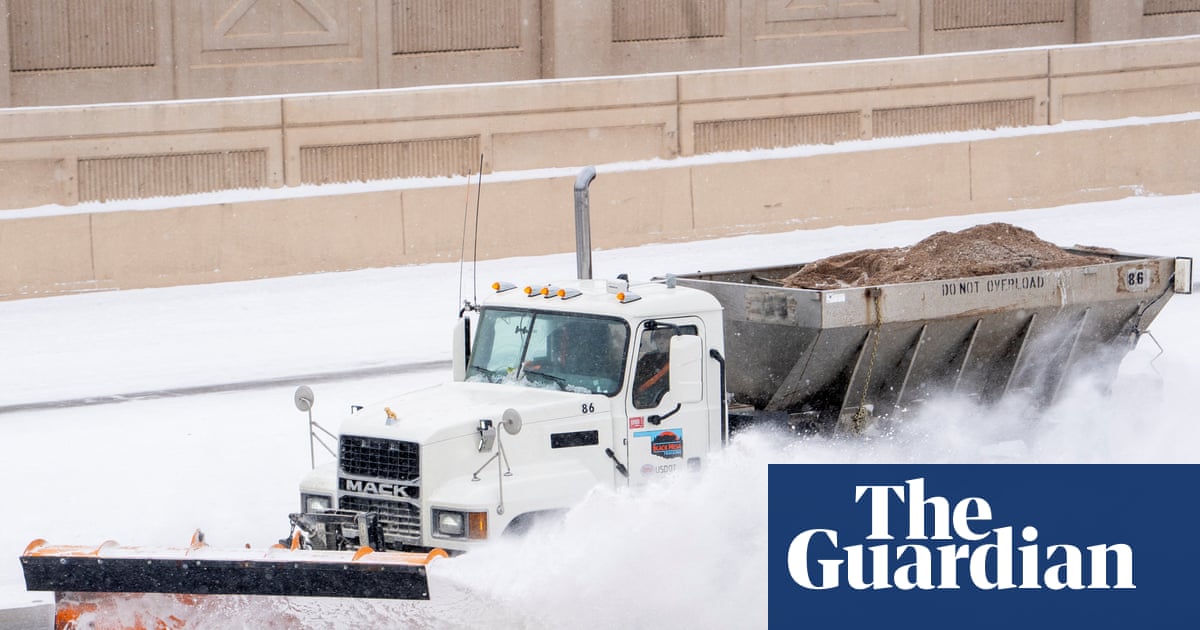
The storm’s footprint is broad, with conditions changing quickly across states as precipitation transitions between rain, freezing rain, sleet, and snow. Ice has been a particular concern in regions that do not routinely see severe icing, because even modest freezing rain totals can coat highways, bridges, and overpasses and bring down tree limbs and power lines.
Travel snarls, including widespread flight cancellations
reveals that the storm was already driving major disruption to the national travel system as it moved east. Airlines reported a wave of cancellations affecting flights into, out of, and within the U.S. through the start of the week, and road conditions deteriorated in multiple corridors where ice and snow reduced visibility and traction. Officials urged residents to avoid unnecessary trips, emphasizing that the worst conditions often arrive quickly and can strand drivers.
The storm also coincides with a period of intense cold, which increases the risk of exposure for anyone stuck outdoors and makes it harder for crews to restore power and clear roads. Local governments and utilities have encouraged residents to charge devices, prepare flashlights and backup power supplies, and check on neighbors who may be vulnerable to prolonged outages or limited mobility.
Power outage risk rises as ice accumulates
The greatest outage risk is tied to ice loading on power lines and trees. When freezing rain builds, branches can snap and lines can sag or break, producing scattered outages that are difficult to access because crews must navigate icy streets and downed debris. Utilities in the storm’s projected path said they were staging extra crews and equipment and prepared to respond where damage is heaviest.
Even where snowfall dominates, high winds and bitter temperatures can create hazardous wind chills and blowing snow. In some communities, heavy snow rates can overwhelm plowing capacity, limiting emergency response and making it harder for residents to reach warming shelters or medical services.
What officials are urging residents to do
- Avoid nonessential travel; if you must drive, carry blankets, water, food, and a phone charger.
- Prepare for outages: charge batteries, keep flashlights ready, and have a plan to stay warm safely.
- Monitor local alerts and forecasts, especially for changing ice and snow bands.
- Check on neighbors, older adults, and people who rely on medical devices or home care.
As the storm progresses, impacts will vary by location, but the common themes remain: rapidly changing road conditions, a heightened risk of power interruptions where ice is significant, and lingering hazards from extreme cold after the system departs. Residents in the path are being told to take warnings seriously and prepare for a multi-day disruption rather than a brief burst of winter weather.