A powerful winter storm sweeping across the United States has triggered a wave of emergency declarations and travel disruptions, with forecasters warning that the mix of snow, sleet, and freezing rain could linger and be followed by extreme cold that slows recovery. As the system advanced, large sections of the country—from the southern Plains through the Ohio Valley and into parts of the Mid-Atlantic and Northeast—prepared for hazardous roads, downed trees, and intermittent power failures.
Weather alerts covered a massive portion of the population. Reporting cited about 140 million Americans under warnings as the storm developed, with the National Weather Service emphasizing that ice accumulation could be especially dangerous in places that do not routinely see severe winter conditions. In some areas, early ice amounts were already significant, and officials urged people to avoid unnecessary travel, treat the event as a multi-day hazard, and plan for potentially prolonged outages.
Air travel took a major hit as conditions deteriorated. Flight tracking data referenced in coverage showed a rapidly rising tally of cancellations through Monday, reflecting both ground stops and ripple effects as crews and aircraft were displaced. Road conditions also worsened, with reports of accidents, stalled traffic, and closures on key interstates in affected states, as precipitation types changed quickly and made treatment of highways more difficult.
Utilities across the storm’s path prepared for the likelihood that heavy ice on trees and power lines would lead to downed equipment and complicated restoration work. Power outage tracking cited tens of thousands of customers without service as the storm was still unfolding, a figure expected to change quickly with the track of heaviest freezing rain. Local governments encouraged residents to charge devices, gather essentials, and monitor official warnings.
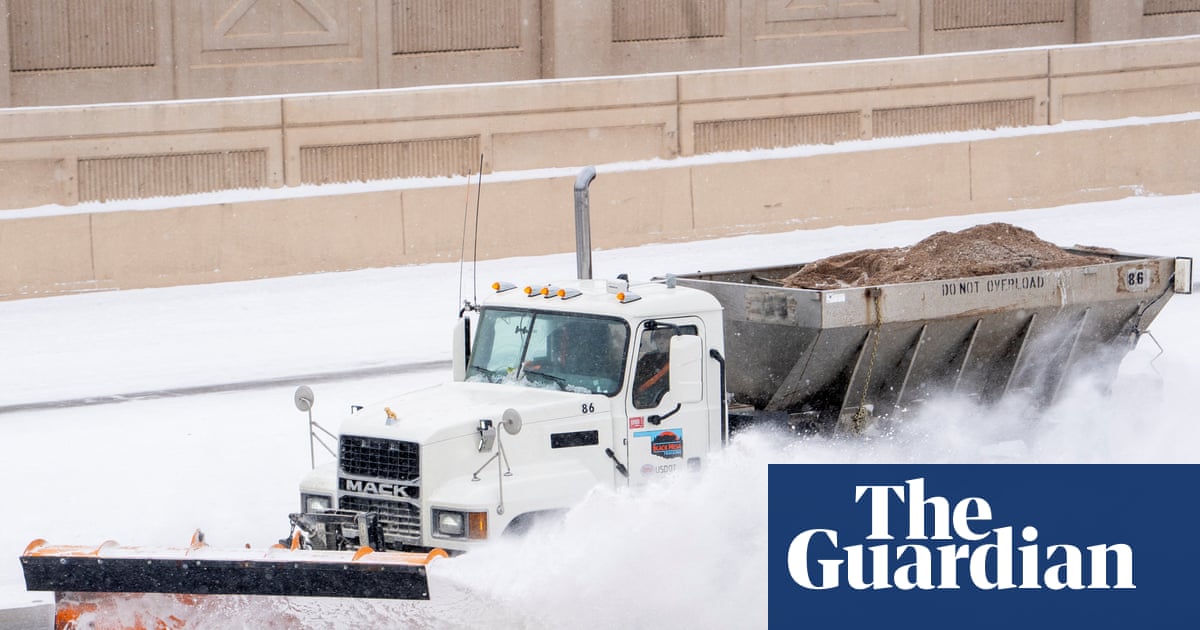
Emergency actions expanded as the threat widened. Multiple states and Washington, D.C., issued emergency declarations or similar measures to speed resource deployment and coordinate response. In some jurisdictions, officials also made operational changes—such as postponing or canceling certain public activities—to reduce risks while crews worked to keep roads open and maintain critical services.
Forecasters warned that the storm’s most punishing aspect might be what comes next: a sharp plunge in temperatures. With bitter cold arriving after the precipitation, snow and ice were expected to melt slowly, leaving slick surfaces and hampering clean-up and repairs. Officials stressed that the combination of winter weather and subsequent cold can increase dangers for those without reliable heat, including unhoused populations, and can raise the risk of exposure emergencies.
While specific impacts varied by region, the overall message from meteorologists and emergency managers was consistent: the event is large, complex, and long-lasting enough that households should prepare for interruptions to travel and daily routines, and be ready for rapid changes in local conditions. As the storm continued its track, communities were advised to follow local guidance, watch for updates, and prioritize safety over travel.