A new study warned that the United States may be increasingly vulnerable to future outbreaks and public health emergencies because federal disease-tracking systems have become less reliable. Researchers reported that many health surveillance databases maintained by the U.S. Centers for Disease Control and Prevention (CDC) stopped updating or were delayed during 2025, weakening a key early-warning layer of the country’s public-health infrastructure.
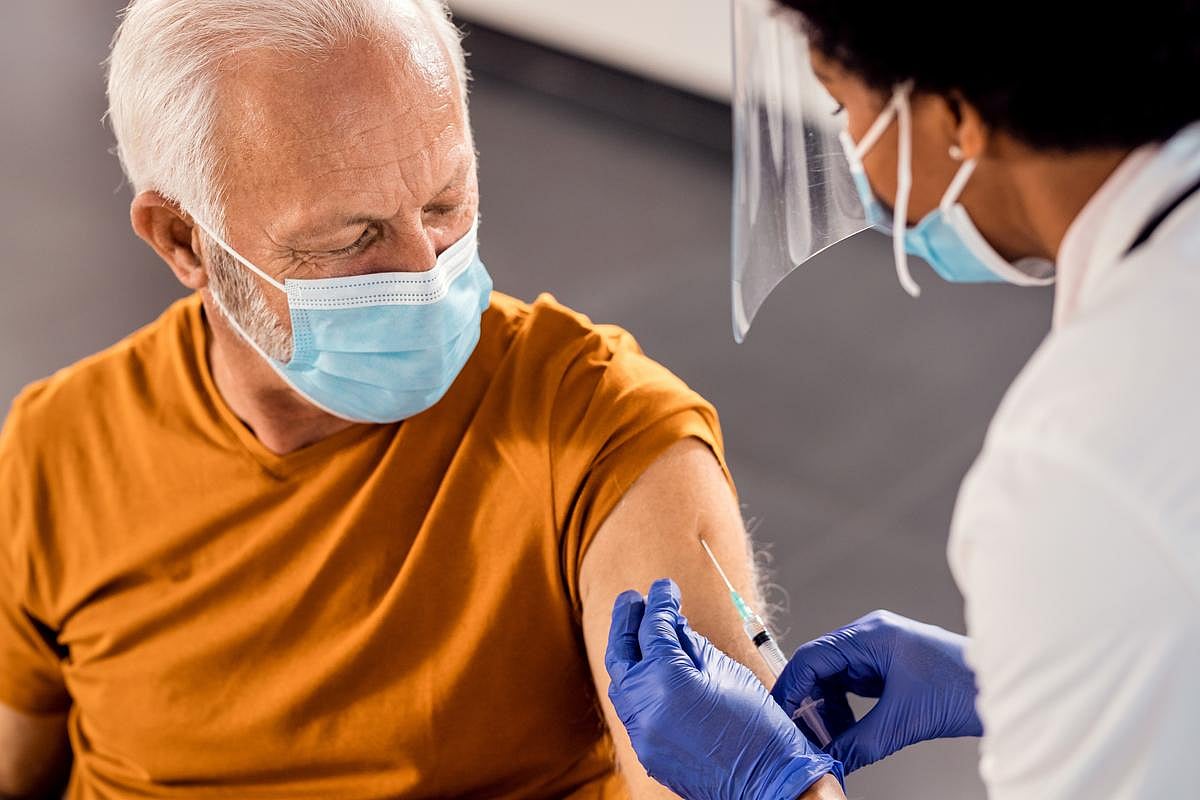
According to the analysis, nearly half of the previously routinely updated databases experienced disruptions. The majority of the affected systems were tied to vaccinations or vaccine-preventable diseases — categories that include widely monitored threats such as influenza, COVID-19, and RSV. Other databases tracked infectious diseases and drug overdose deaths, areas where timely national data is often crucial for targeting interventions.
Public health surveillance works like a radar system: it does not prevent illness by itself, but it helps leaders detect changing trends, identify hotspots, and measure whether policies are working. When data arrives late — or stops arriving entirely — public health agencies can lose precious time, and decision-makers can end up responding to outdated conditions rather than current reality.
Researchers and clinicians have long argued that the value of surveillance is highest when it is consistent and transparent. Routine updates allow states, hospitals, and local health departments to compare signals across regions and plan staffing, vaccination campaigns, and supply chains for tests and therapeutics. Breaks in continuity can also complicate research efforts that depend on standardized national datasets.
The report’s warning is not just theoretical. With respiratory viruses evolving and drug overdose patterns shifting rapidly, the speed of national reporting can shape how quickly resources move and how effectively communication reaches high-risk communities. The study’s authors argue that restoring reliable, predictable updates is a foundational step toward strengthening preparedness before the next crisis arrives.