Measles cases reported across multiple states
Updated data from the U.S. Centers for Disease Control and Prevention show that measles infections have been confirmed in multiple parts of the country early in 2026. ABC News reported that at least 171 cases have been confirmed so far this year, spanning nine states, according to the CDC’s latest figures.
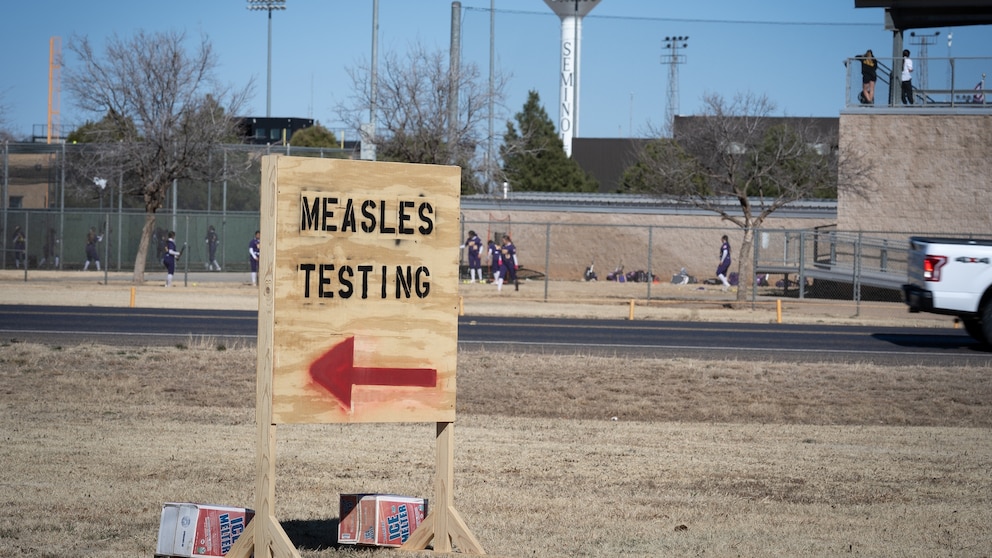
The states listed in the report include Arizona, Florida, Georgia, North Carolina, Ohio, Oregon, South Carolina, Utah and Virginia. Public health officials track measles closely because it is highly contagious and can spread rapidly when pockets of susceptibility exist, particularly where vaccination coverage is uneven or where exposed individuals are not quickly identified and isolated.
Outbreaks in South Carolina and Utah
The report highlights South Carolina as facing an outbreak dating back to early October, with many cases concentrated in Spartanburg County near the North Carolina border. Utah has also had an ongoing outbreak since measles began spreading there in June of the prior year, underscoring how outbreaks can persist across seasons when transmission chains are not fully interrupted.
Health departments typically respond with contact tracing, vaccination outreach, and guidance for schools and clinics. Because symptoms can resemble other respiratory illnesses early on, clinicians are encouraged to consider travel and exposure histories, especially when a rash illness appears in a community experiencing known transmission.
Why officials focus on vaccination and rapid detection
Measles is preventable through vaccination, and public health messaging commonly stresses the role of the MMR vaccine in protecting both individuals and communities. When measles spreads, infants too young to be vaccinated and people with weakened immune systems can face higher risks, making community-level protection particularly important.
Officials also emphasize that early detection matters: identifying cases, limiting exposure in healthcare settings, and quickly notifying contacts can reduce the chance that a cluster becomes a sustained outbreak. As more states report cases, local agencies often remind the public to verify vaccination status, especially ahead of travel, large gatherings, or school enrollment requirements.