What’s happening and where
A major labor action is rippling through one of the nation’s largest health systems as 31,000 Kaiser Permanente workers began a strike across California and Hawaii. The walkout includes a broad mix of clinical professionals—such as registered nurses, pharmacists and advanced-practice clinicians—who say their demands center on safe staffing, fair compensation and what they describe as increasing delays for patients trying to get timely care.
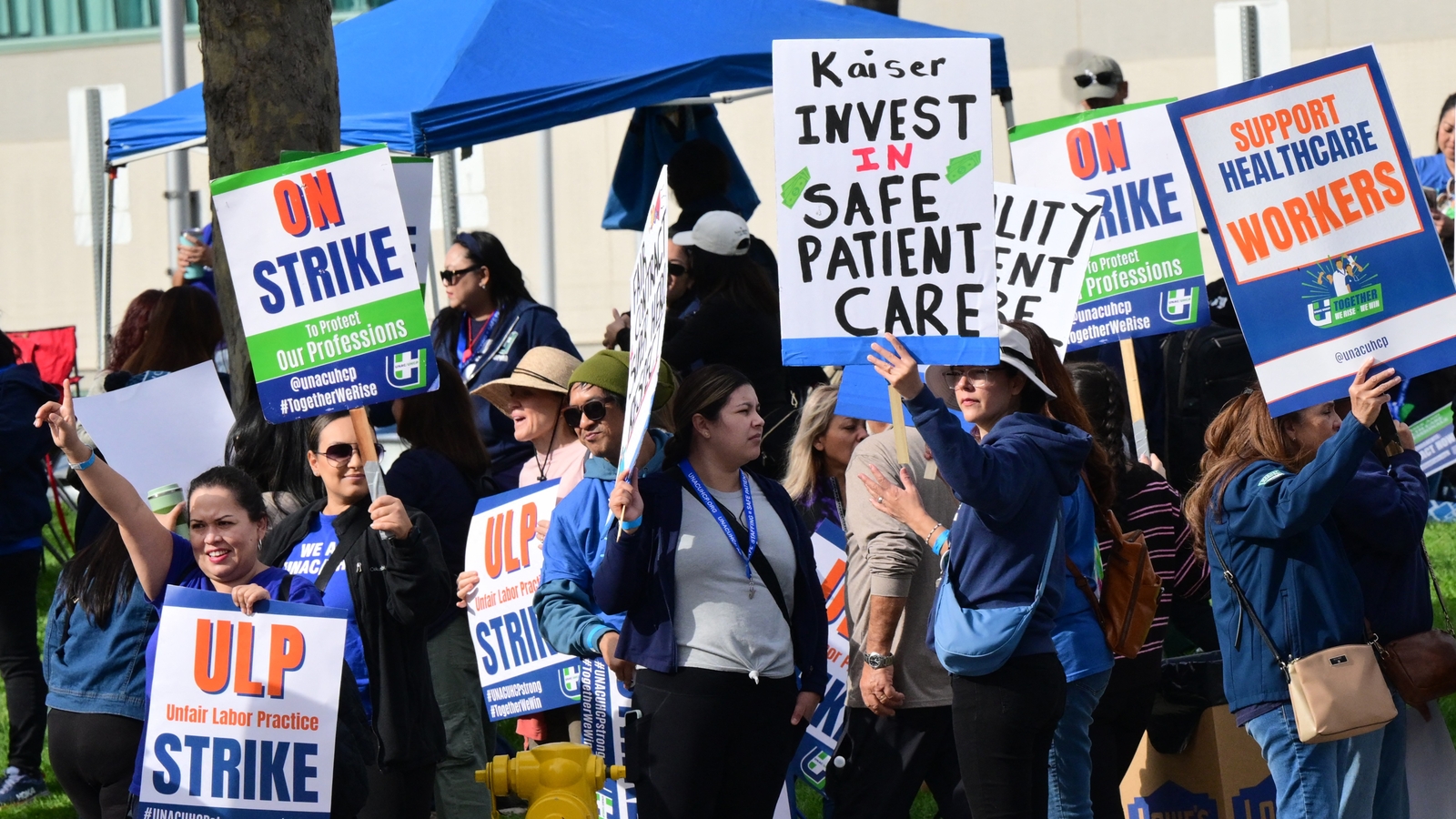
Picket lines formed at multiple Kaiser facilities, with workers arguing that understaffing and workload strain are affecting both employee retention and the day-to-day patient experience. Union leaders say the dispute is the culmination of long-running negotiations and that they see little progress on the issues they believe drive burnout, turnover and service bottlenecks.
What workers are demanding
The union representing the striking group points to staffing levels as the core concern, describing situations where the pace and complexity of work has increased faster than hiring. They are also seeking compensation increases they argue are necessary to keep experienced clinicians from leaving for other systems or for higher-paying contract roles. Another major point of friction is scheduling and what workers describe as insufficient staffing to safely cover patient volumes without routine overtime.
Workers say they are striking not only for wages but to secure enforceable standards that translate into better staffing on floors, in clinics, and in specialty departments. They argue that without structural changes, the system will continue to rely on crisis-level staffing and patchwork solutions that can lengthen wait times and stress emergency capacity.
How Kaiser and patients may be affected
Kaiser Permanente is expected to keep hospitals and clinics operating while the strike continues, though large-scale walkouts typically force health systems to rely on management staffing, temporary workers, or reduced elective scheduling. Patients may experience longer waits for non-emergency services, rescheduled appointments, and slower turnaround for certain outpatient needs depending on location and staffing coverage.
The union says the strike will continue until a deal is reached. The dispute is one of the most visible signals of continuing labor tension in U.S. healthcare, where many systems face pressure from rising costs, clinician shortages, and post-pandemic burnout. The outcome will be closely watched by other unionized and non-union workforces evaluating how to translate staffing concerns into binding contract language.