The United States is approaching a consequential public-health milestone in the wrong direction: international authorities are preparing to assess whether the country still qualifies as having “eliminated” measles. The designation, achieved in 2000, can be lost if there is evidence of uninterrupted transmission of a single chain of measles for at least 12 months—a threshold that experts say is increasingly plausible given the persistence and spread of recent outbreaks.
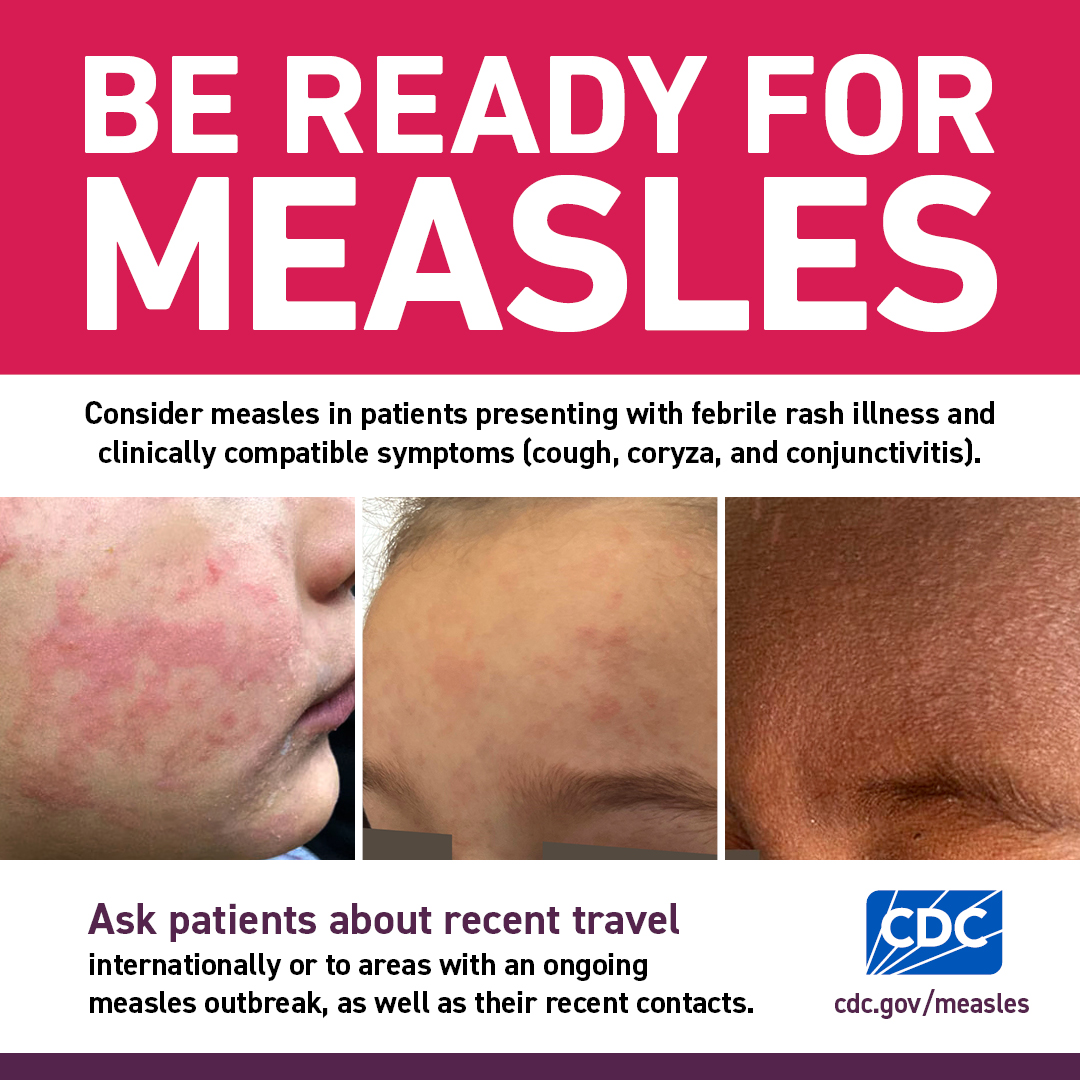
The current concern stems from measles activity that accelerated after an outbreak that began in West Texas in January 2025 and then spread to multiple states. Investigators have been working to determine whether active outbreaks in places such as Utah, Arizona, and South Carolina are linked to the earlier chain. Even if the final determination comes down to technical definitions, clinicians and researchers argue that the underlying issue is not semantic: measles is finding vulnerable pockets of unvaccinated people and moving through them.
Recent national case counts underscore the scale of the problem. Associated Press reporting cited CDC-confirmed totals of 2,242 measles cases across 44 states in the prior year, the highest number since 1991, with nearly 50 outbreaks. Public health experts point to a familiar set of drivers: declining vaccination rates, increased exemptions, misinformation, and barriers to routine care that leave communities with lower immunity against a virus that spreads rapidly in close contact settings.
The operational burden is also significant. Contact tracing measles exposures is labor-intensive and expensive, particularly when outbreaks involve schools, healthcare settings, or large community events. Health departments must identify and notify contacts, recommend quarantine or exclusion from school, and coordinate vaccination campaigns—tasks made harder when staffing and public-health funding have been strained.
Genetic sequencing can help identify whether outbreaks are connected, but measles does not mutate as quickly as viruses like influenza, making it harder to distinguish between chains in some circumstances. That means investigators may need to rely on a combination of lab evidence and detailed epidemiological work, including travel histories, exposure timelines, and mapping of transmission networks.
The upcoming international review will be watched closely because it could crystallize the reality that measles has regained sustained footing in parts of North America. But experts stress that the practical implications exist regardless of labels: measles is preventable with a safe and effective vaccine, and reversing the trend will require restoring high coverage, improving access, and rebuilding trust at the community level.
For families and clinicians, the immediate takeaway is straightforward: measles is not a historical disease. Where vaccination rates drop, it returns—and it returns fast. Public health officials say strengthening immunization and improving outbreak response capacity are the clearest paths to protecting children and preventing the U.S. from losing a hard-won public-health achievement.