A symbolic status with real-world implications
The United States could soon lose its measles “elimination” status, a designation first achieved in 2000, if international health authorities determine that a single chain of transmission has continued for at least 12 months. An Associated Press report explains that the Pan American Health Organization (PAHO) is expected to evaluate the situation in April 2026, focusing on whether measles spread meets the technical definition of uninterrupted domestic transmission over a year.
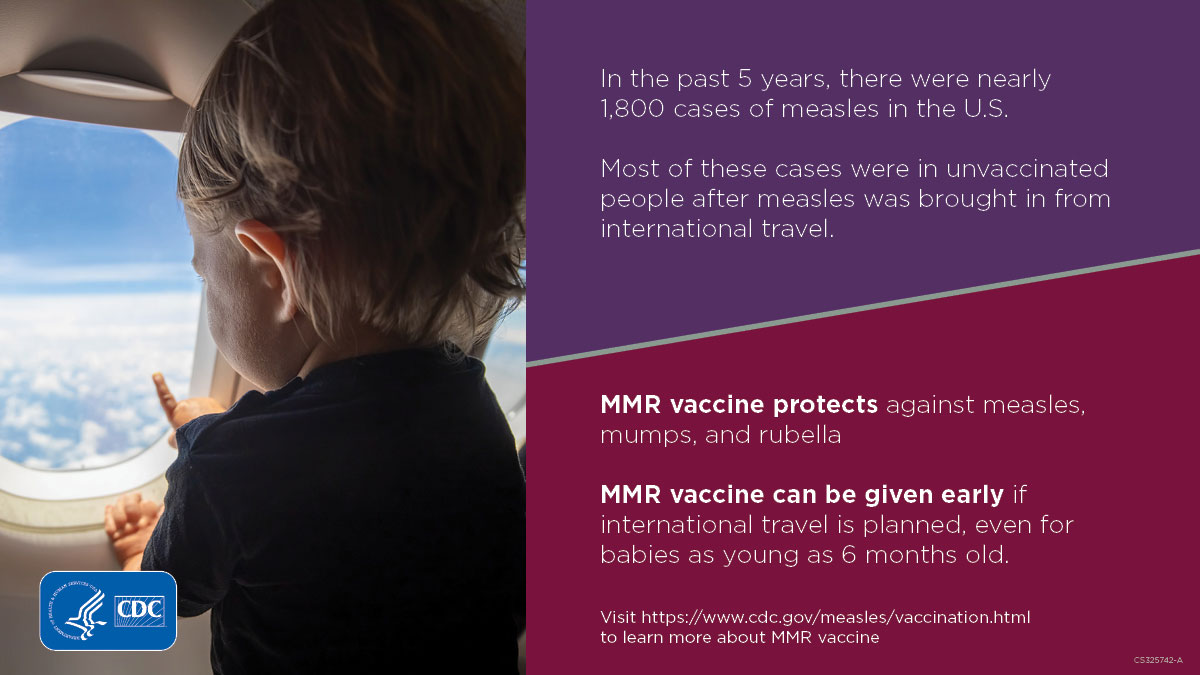
While the label is largely symbolic, experts argue it matters because it signals whether vaccination coverage and outbreak control remain strong enough to prevent sustained spread. The AP notes that public health scientists are investigating possible links among outbreaks in several states, including Utah, Arizona, and South Carolina, following a major outbreak that began in West Texas in January 2025.
The numbers behind the concern
The AP reports that the CDC confirmed 2,242 measles cases across 44 states last year—the highest total since 1991—and nearly 50 separate outbreaks. Even if investigators cannot prove one continuous chain, many experts say the larger point is unavoidable: measles has found enough vulnerable pockets in the population to keep resurfacing.
Measles spreads easily and can ignite large outbreaks when vaccination rates drop below the level needed for community protection. That dynamic, combined with regional clusters of unvaccinated children, creates a pathway for sustained transmission, especially when outbreaks hop between communities via travel and shared social networks.
Why vaccination and public health capacity are central
Experts cited by the AP attribute the resurgence to years of declining routine vaccination, driven by misinformation, barriers to access, and distrust. The story also highlights how outbreak response is labor-intensive: contact tracing, isolation guidance, and repeated community outreach all demand staffing and funding—resources that many public health departments say are stretched thin.
PAHO’s decision will not change medical guidance—MMR vaccination remains the main prevention tool—but it could shape how policymakers and the public interpret the severity of the trend. Losing elimination status would underscore that measles is no longer being reliably contained inside U.S. borders.
What happens next
- PAHO is expected to review U.S. measles elimination status in April 2026.
- Investigators are still assessing whether outbreaks across states are linked by a single transmission chain.
- Public health leaders are urging stronger vaccination uptake and improved outbreak response capacity.